




What Are The Uses Of Hand Blender
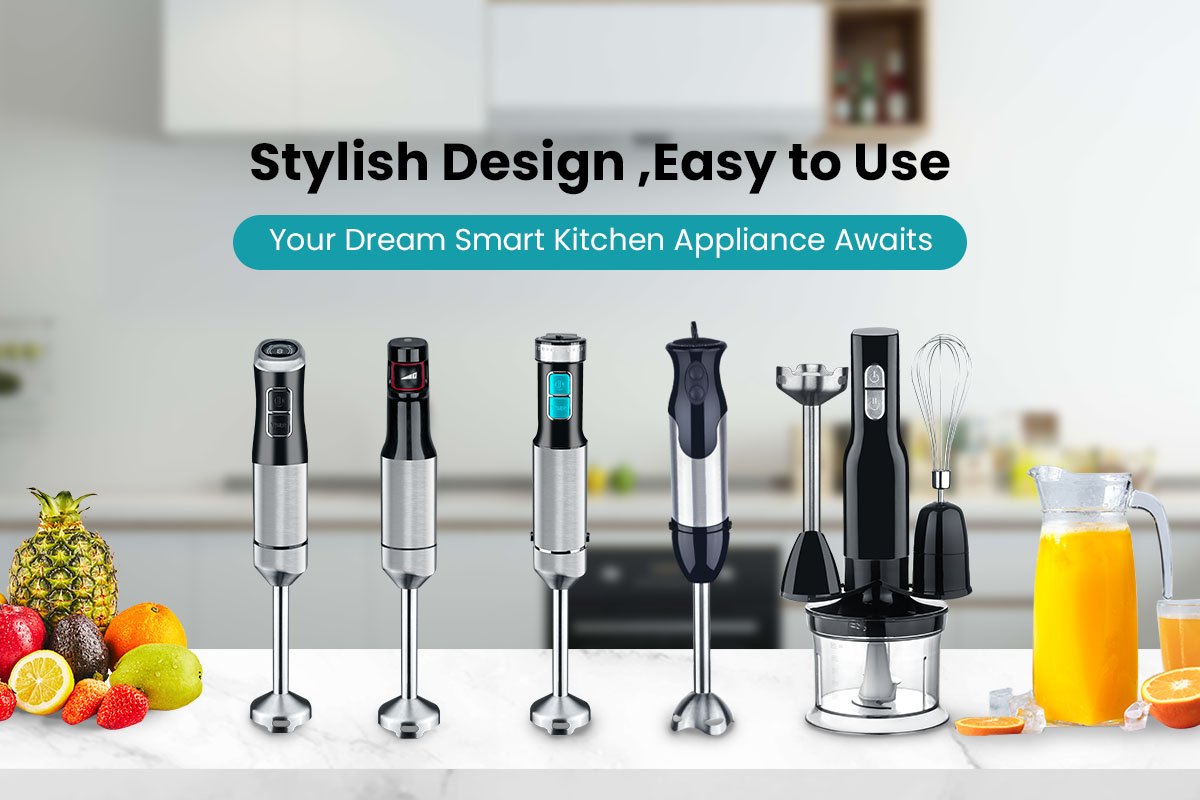
A Hand Blender is a versatile kitchen appliance designed for blending, pureeing, and emulsifying food directly in containers. Its compact structure, vertical operation, and high-speed blade system make it suitable for both home kitchens and light commercial food preparation. Below is a clear and practical breakdown of the most common and valuable uses of a hand blender.
Blending Soups Directly in Pots
One of the most common uses of a hand blender is blending hot soups directly in the cooking pot.
Eliminates the need to transfer hot liquids
Reduces spill and burn risks
Creates smooth or semi-textured soups
This is especially useful for vegetable soups, lentil soups, pumpkin soup, and cream-based soups where consistency control is important.
Making Smoothies and Drinks
hand blenders are widely used for preparing smoothies and blended beverages.
Fruit smoothies
Protein shakes
Milk-based drinks
They can break down soft fruits, ice cubes in small quantities, and protein powders efficiently when used with a tall blending cup.
Pureeing Fruits and Vegetables
A hand blender is ideal for creating smooth purees.
Baby food preparation
Mashed fruits
Vegetable purees
Its controlled blending action allows users to achieve uniform textures without overprocessing.
Preparing Sauces and Dressings
Hand blenders are commonly used for emulsifying sauces.
Salad dressings
Mayonnaise
Hollandaise-style sauces
The blade design creates a strong vortex that helps oil and liquid combine evenly, resulting in stable emulsions.
Mashing Cooked Ingredients
For cooked and softened foods, a hand blender can be used as a mashing tool.
Potatoes
Beans
Cooked vegetables
Unlike manual mashers, a hand blender provides faster results with adjustable texture, from coarse to smooth.
Chopping and Grinding with Attachments
When paired with a chopping bowl attachment, a hand blender can handle light chopping tasks.
Nuts
Herbs
Onions
Garlic
This expands its functionality beyond blending, making it suitable for quick food prep.
Mixing Liquid-Based Ingredients
Hand blenders can mix thin batters and liquid mixtures.
Pancake batter
Crepe mixtures
Egg-based liquids
They ensure even consistency without introducing excessive air, which is important for certain recipes.
Crushing Ice in Small Quantities
Some hand blenders are designed to handle small ice-crushing tasks.
Cold drinks
Smoothies
This use depends on blade strength and motor power and should be limited to prevent overload.
Advantages of Using a Hand Blender
From a practical and design perspective, hand blenders offer:
Compact storage
Easy cleaning
Direct-in-container operation
Reduced preparation time
These advantages make them popular in markets where kitchen space and efficiency matter.
What a Hand Blender Is Not Designed For
To avoid misuse, it is important to understand limitations.
Not suitable for kneading dough
Not ideal for whipping cream or egg whites
Not intended for heavy grinding tasks
Using it outside its intended purpose can reduce performance and lifespan.