




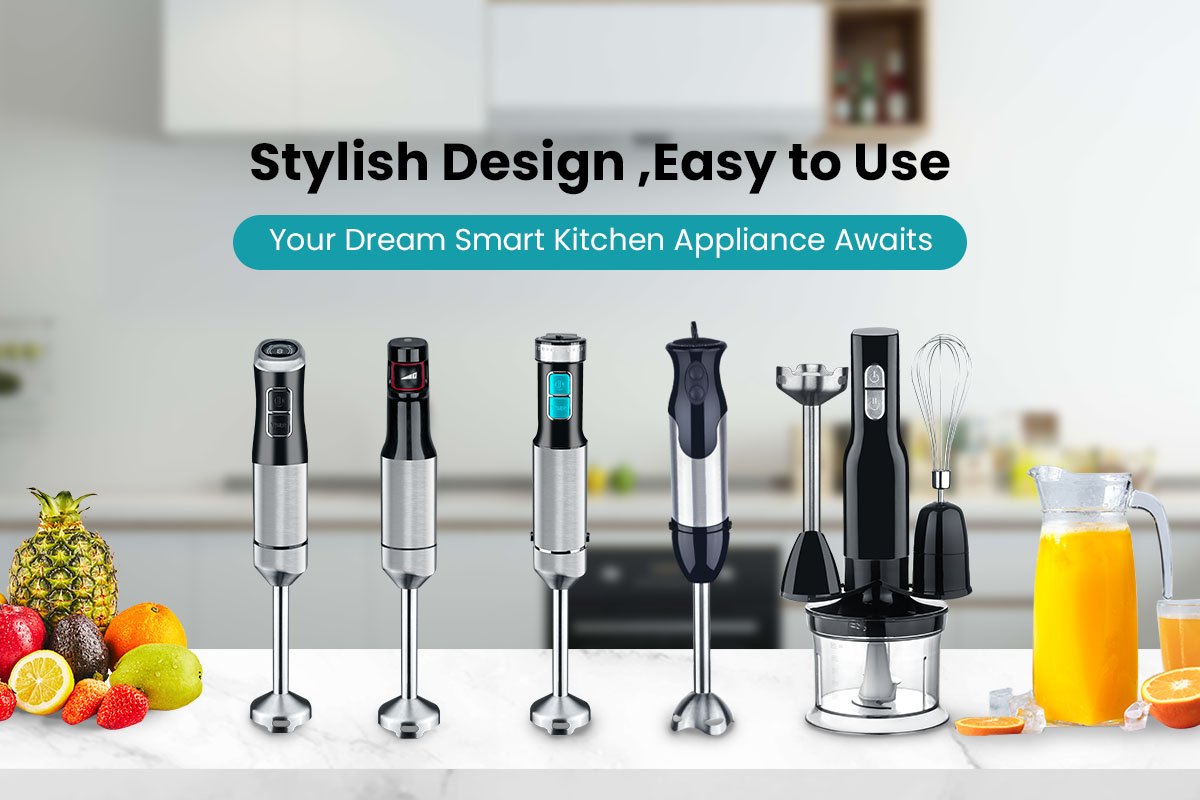
What Information Do Buyers Need To Provide for Odm Blender Development?
ODM development allows buyers to launch blender products based on a manufacturer’s design platform while customizing key elements for their own brand. To ensure efficient product development and avoid delays during production, buyers usually need to provide several types of technical and commercial information before the project begins.
Target Market Information
The first important detail is the target market where the blender will be sold. Different regions have different electrical standards, safety regulations, and certification requirements.
Buyers should provide information about the destination markets such as Europe, North America, or other international regions. This helps the manufacturer determine the correct voltage specifications, plug types, and certification requirements needed for export compliance.
Product Positioning And Price Range
Manufacturers also need to understand the product positioning in the buyer’s market. Buyers should clarify whether the blender is intended for entry-level retail, mid-range household use, or premium product segments.
Providing a target price range helps the manufacturer select suitable motor systems, material specifications, and structural designs that match the intended cost structure and market competitiveness.
Functional Requirements
For ODM blender development, buyers should clearly describe the functions they expect from the product. This may include blending speed levels, motor power expectations, blade performance requirements, and accessory combinations.
Some projects may require additional attachments such as choppers, whisk tools, or blending cups. Providing detailed functional expectations allows engineers to recommend appropriate design solutions during product development.
Appearance And Branding Requirements
Buyers should also provide branding and design requirements for the blender. This may include logo placement, housing colors, packaging design preferences, and visual style references.
If the buyer already has brand guidelines or design files, sharing them early in the development process helps manufacturers align the product appearance with the brand identity.
Order Quantity And Supply Planning
Production planning depends heavily on order quantity and long-term supply expectations. Buyers should provide estimated order volumes, forecast demand, and possible reorder plans.
This information helps the manufacturer determine production scheduling, material sourcing strategies, and mold preparation requirements.
Packaging And Labeling Requirements
For ODM projects, packaging design is also an important consideration. Buyers should provide information about packaging style, labeling requirements, language versions for manuals, and barcode specifications.
Clear packaging requirements ensure that the final product is ready for retail distribution or wholesale channels without additional adjustments.
Compliance And Certification Needs
Export markets often require specific product certifications related to electrical safety and environmental compliance. Buyers should inform the manufacturer about any required certifications for their target markets.
This allows the manufacturer to design the product according to relevant regulatory standards and prepare the necessary testing procedures during development.
Conclusion
ODM blender development requires clear communication between buyers and manufacturers from the beginning of the project. Key information typically includes target market details, product positioning, functional requirements, branding preferences, order quantity planning, packaging specifications, and compliance requirements.
Providing this information early helps manufacturers design suiTable Blender models, streamline the development process, and ensure that the final product meets both market expectations and regulatory standards.