




What Is The Best Motor Type For Blenders
The Best Motor Depends On The Blender’s Real Workload
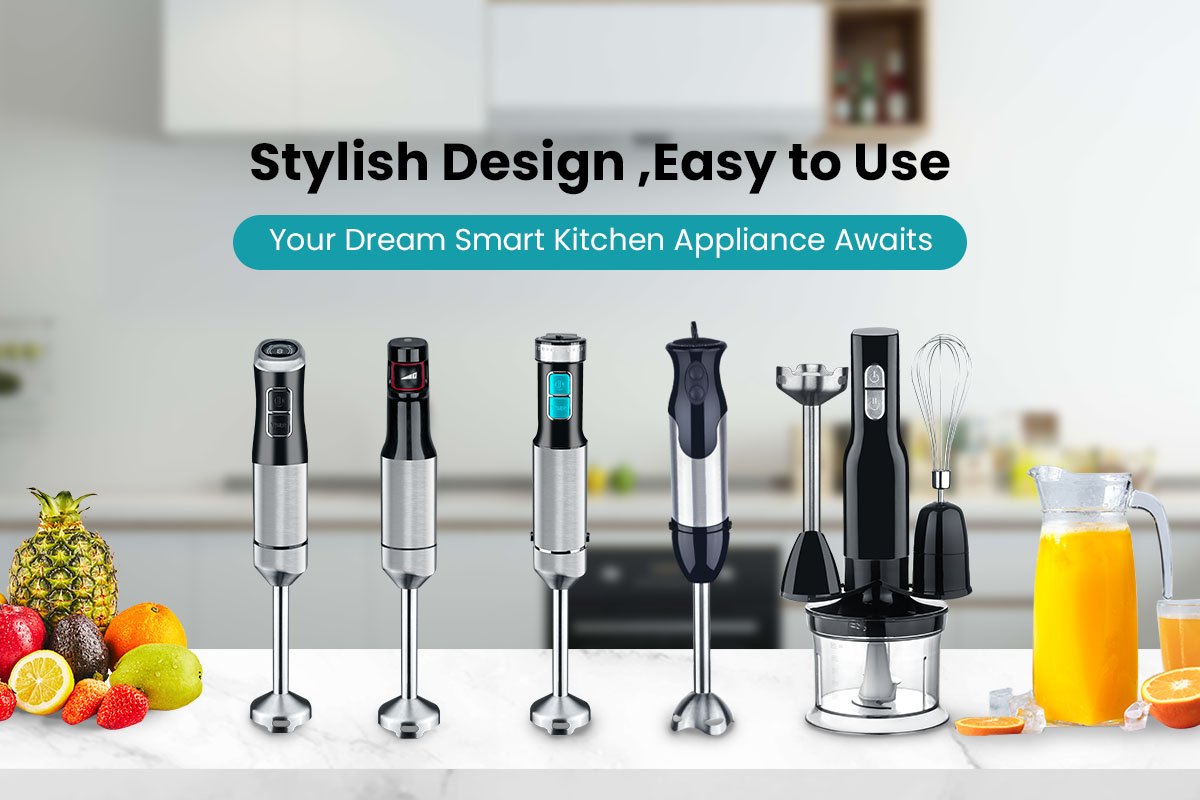
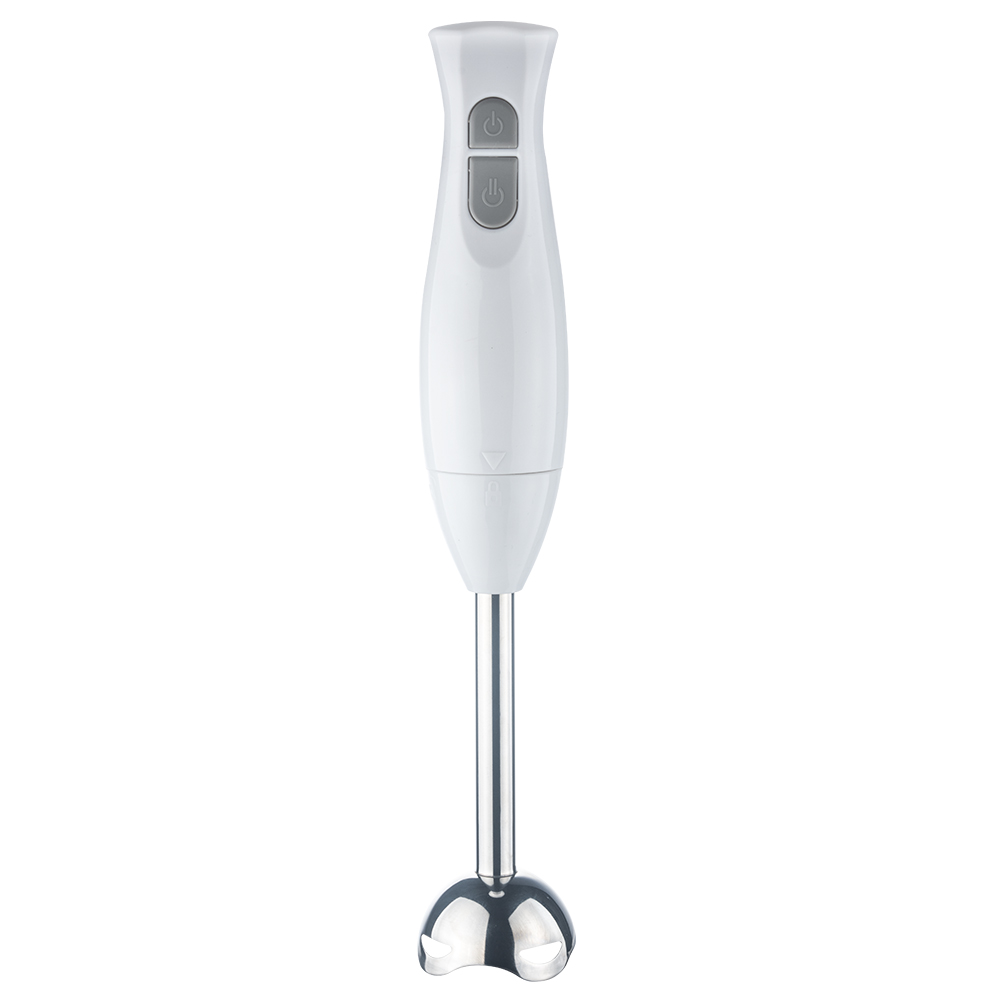
The best motor type for blenders depends on the product level, target recipe, jar capacity, speed control, and expected service life. For most household and kitchen appliance programs, a copper-wound universal motor is a practical choice because it can deliver high speed, strong starting power, and compact structure for countertop blenders, Hand Blenders, and Nutrition Blenders.
KANGJIA’s High-Speed Blender information lists a 500W motor, stainless steel blade, stainless steel housing, and five blending speed levels. Its professional blender platform also shows a 1,500W motor for stronger blending tasks, so motor selection should match the final product position instead of using one standard for every model.
Common Blender Motor Options
| Motor Type | Best Use | Buyer Should Check |
|---|---|---|
| Copper-wound universal motor | Household blenders, hand blenders, Table Blenders | Power, heat rise, noise, running stability |
| High-power universal motor | Ice crushing, thick smoothies, larger jars | Torque, blade load, cooling structure |
| DC motor | Compact or lower-noise appliance designs | Speed control, cost, lifespan |
| Brushless motor | Premium appliance concepts | Controller design, price level, supply plan |
Why Copper Winding Is Important
For blender production, copper winding is often preferred because it supports better conductivity, heat handling, and stable motor performance. KANGJIA’s published motor-related content mentions key motor parts such as stators, rotors, shafts, copper windings, bearings, commutator-related components, and insulation materials. It also notes that higher-performance blender platforms may use pure copper motors in the 1000W to 1200W range and reach 25,000 to 30,000 RPM.
Motor Quality Should Be Tested, Not Only Claimed
A blender motor should be reviewed through load testing, no-load running, heat-rise checking, vibration control, noise testing, and electrical safety inspection. A motor with high wattage but poor heat control may lose speed under thick ingredients or shorten product life.
KANGJIA Electrical Appliances Co., Ltd. integrates development, production, and sales, with its own injection shop, hardware shop, assembly shop, motor shop, R&D department, and testing room. Its products have passed GS, CE, CB, LFGB, RoHS, REACH, and other certification-related checks, which supports export-oriented appliance projects.
Professional Advice Before Ordering
Before choosing the best motor type for blenders, buyers should confirm power range, jar capacity, blade structure, voltage, plug type, target recipes, noise requirement, cooling design, packaging format, and certification needs. For OEM/ODM projects, our team can recommend a suitable motor and blender platform according to target market, product line plan, and bulk order requirements.
Share your blender specification with KANGJIA, and we can help prepare a practical motor solution for stable appliance production.