




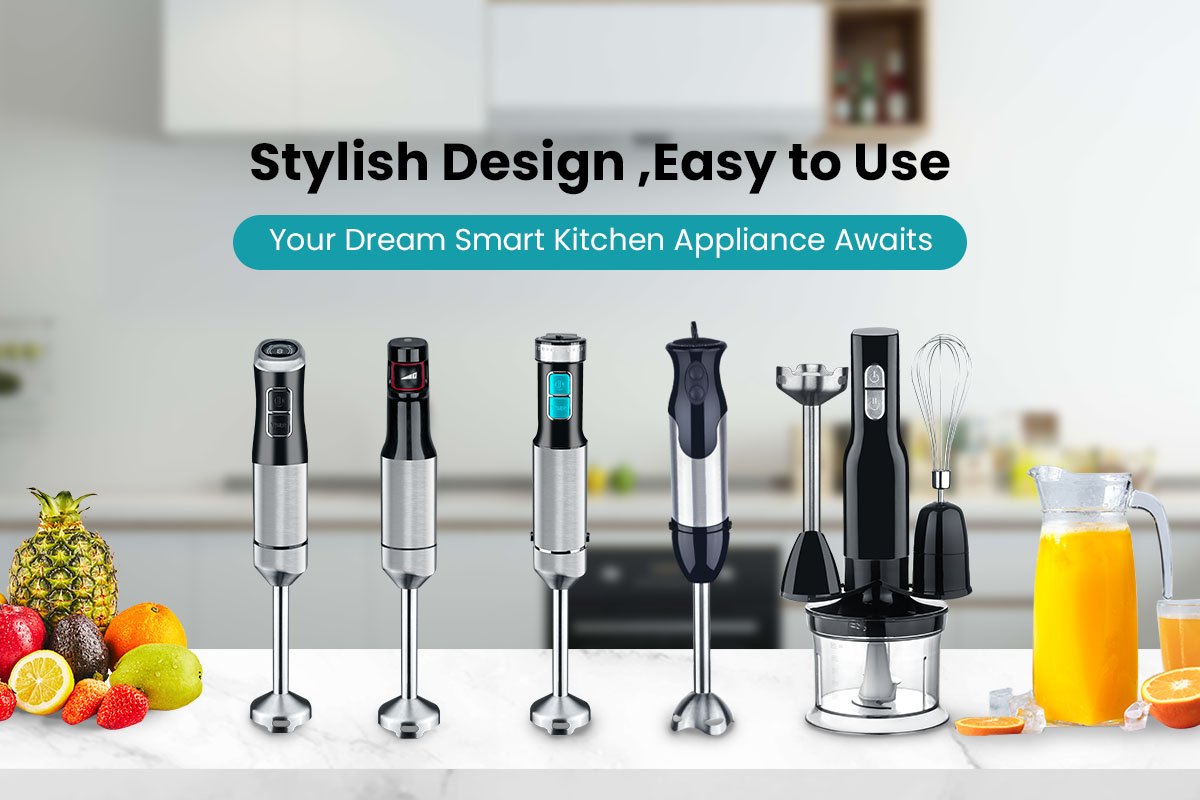
How Are Blender Speed Control Systems Produced
A blender speed control system directly affects the user experience, motor efficiency, and product reliability. Different speed settings allow users to process various ingredients with better control, while a stable control system helps protect the motor during continuous operation. For a professional blender manufacturer, producing a reliable speed control system requires precise component selection, engineering design, assembly control, and performance testing.
At KANGJIA, we focus on integrated small appliance manufacturing, covering product development, production, and quality inspection. With our own injection shop, hardware shop, assembly shop, and motor shop, we are able to manage different production stages internally and provide stable OEM and ODM solutions for kitchen appliances.
Manufacturer vs Trader: Why Speed Control Production Capability Matters
The speed control system is not only a button or switch. It includes electrical components, control circuits, interface design, and connection structures that work together with the motor system.
Compared with a trading company that mainly coordinates external suppliers, a direct kitchen appliance manufacturer can participate in product engineering and production adjustments. This provides advantages in:
Speed control function optimization
Electrical component matching
Product structure adjustment
Production consistency
Quality problem tracking
For blender projects, factory involvement from the early development stage can reduce production risks and improve long-term product stability.
Manufacturing Process Overview of Blender Speed Control Systems
A blender speed control system usually includes control switches, circuit boards, wiring components, protective structures, and connection parts. The manufacturing process requires cooperation between electrical engineering and mechanical assembly teams.
The general production process includes:
| Production Stage | Main Work | Quality Control Focus |
|---|---|---|
| Component Preparation | Select switches, controllers, wires, and electrical parts | Component compatibility |
| Circuit Assembly | Install and connect control components | Electrical accuracy |
| Functional Testing | Test speed adjustment and motor response | Speed stability |
| Housing Integration | Install control system into blender body | Structural fitting |
| Final Inspection | Complete machine operation testing | Safety and performance |
During production, engineers need to ensure that the control system matches the motor power, voltage requirements, and product application. A poor match between speed control and motor performance may cause unstable rotation, overheating, or reduced service life.
OEM and ODM Process for Customized Blender Speed Control
A reliable OEM blender manufacturer needs the ability to support customized product development rather than only supplying existing models.
The OEM and ODM process normally includes several steps:
Product Requirement Review
Before production begins, manufacturers confirm:
Required speed levels
Motor power range
Control method
Product application
Target market regulations
Appearance requirements
For example, different blender models may require different control solutions, such as button control, rotary adjustment, or pulse functions.
Engineering Development
Engineers evaluate:
Motor and controller compatibility
Electrical safety design
Internal space arrangement
Heat management
This stage ensures that the speed control system works efficiently with the complete blender structure.
Prototype Testing
Before mass production, samples are tested for:
Speed response
Continuous operation performance
Electrical stability
User operation experience
KANGJIA provides R&D support and testing capabilities to help optimize product performance before production. (KANGJIA)
Quality Control Checkpoints During Speed Control Production
Quality control is essential because the speed system directly affects blender operation.
Electrical Performance Testing
Factories inspect:
Voltage compatibility
Current stability
Switch response
Circuit connection reliability
Motor Speed Testing
The control system must provide accurate speed adjustment. For example, KANGJIA blender models can be designed with multiple speed settings and pulse functions to support different blending requirements. (KANGJIA)
Safety Inspection
Electrical safety checks help ensure products meet export requirements. Common standards for kitchen appliances include CE, GS, CB, RoHS, LFGB, and REACH depending on the destination market. (KANGJIA)
Material Standards Used in Blender Control Systems
Material selection influences durability and safety.
Common materials include:
Flame-resistant engineering plastics for protective housing
Copper wiring for stable electrical transmission
Durable metal components for mechanical connections
Food-safe materials for parts close to food contact areas
A professional small appliance factory needs to balance electrical performance, safety requirements, and cost efficiency during material selection.
Bulk Supply Considerations for Blender Manufacturing
For large production projects, speed control consistency is a key consideration. A qualified OEM blender supplier should have:
Stable component sourcing
Standardized assembly procedures
Batch quality inspection
Production capacity planning
Export documentation support
Mass production requires every unit to maintain similar performance. Factory-controlled production processes help reduce differences between production batches.
Project Sourcing Checklist Before Starting Production
Before developing a blender product line, manufacturers usually confirm:
Product functions and speed requirements
Motor specifications
Control system design
Certification requirements
Packaging standards
Quality inspection procedures
Production schedule
A clear project checklist helps manufacturers and partners avoid delays caused by design changes or missing technical information.
Export Market Compliance and Production Management
Kitchen appliances sold internationally need to meet different market regulations. Speed control systems must be designed according to electrical safety requirements and tested with the complete product.
KANGJIA products have passed certifications including GS, CE, CB, LFGB, ROHS, and REACH, supporting different export market requirements. (KANGJIA)
Building Reliable Blender Speed Control Systems Through Manufacturing Expertise
Producing a high-quality blender speed control system requires engineering experience, controlled production processes, and strict inspection standards. From component selection and circuit assembly to final product testing, every step influences the final performance.
As an experienced blender manufacturer, KANGJIA combines integrated production capabilities with OEM and ODM development experience. Through professional manufacturing management, quality checkpoints, and export compliance control, we provide reliable kitchen appliance solutions including Hand Blenders, Table Blenders, Nutrition Blenders, and Food Processors.