




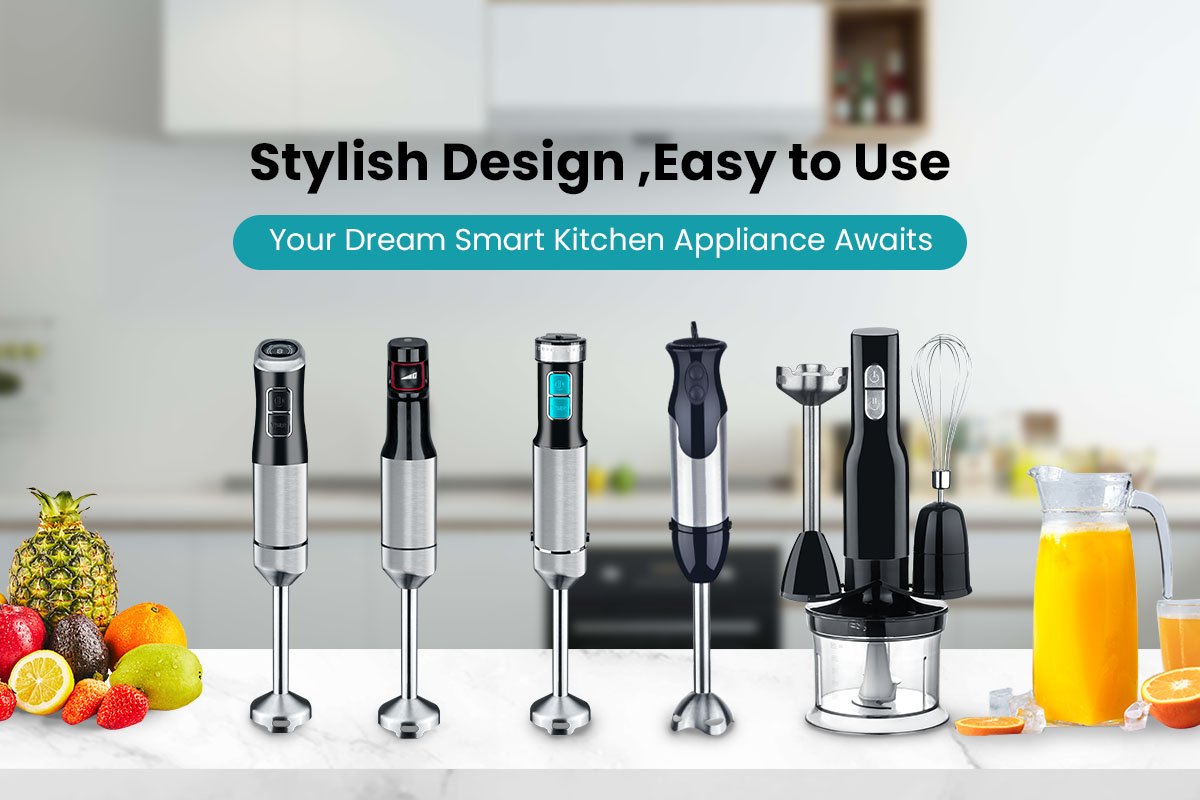
What Materials Are Used In High-Quality Blender Motors
The motor is the core power system of a blender, directly influencing blending efficiency, operating stability, noise control, and product lifespan. A high-quality blender motor is not created by using only a powerful electrical component. It requires carefully selected materials, precise manufacturing processes, and strict quality inspections throughout production.
For a professional blender manufacturer, understanding motor materials is essential because every component, from copper wire and metal parts to insulation materials and housing structures, affects the final product performance. At KANGJIA, we integrate motor production, injection molding, hardware processing, assembly, and testing capabilities to control key manufacturing stages and provide reliable kitchen appliance solutions. (KANGJIA)
Manufacturer vs Trader: Why Material Control Matters
The difference between a manufacturer and a trader is mainly reflected in production control. A trading company may focus on product sourcing, while a direct kitchen appliance manufacturer can participate in material selection, engineering optimization, and quality management.
For blender motors, factory-level control helps ensure:
Stable motor performance
Consistent production quality
Better component compatibility
Faster product improvement
More reliable bulk production
A professional manufacturer can evaluate materials based on motor power, operating environment, product positioning, and export market requirements. This is especially important for OEM and ODM projects where different markets may require different performance standards.
Main Materials Used in High-Quality Blender Motors
A blender motor consists of multiple components working together. Each material has a specific function in maintaining efficiency and durability.
| Motor Component | Common Material | Main Function |
|---|---|---|
| Motor Coil | Copper Wire | Provides efficient electrical conductivity |
| Rotor and Stator | Silicon Steel Sheets | Improves electromagnetic efficiency |
| Motor Shaft | Stainless Steel or Alloy Steel | Provides mechanical strength |
| Bearings | High Precision Metal Materials | Reduces friction during rotation |
| Insulation Layer | Heat-Resistant Materials | Improves electrical safety |
| Motor Housing | Metal or Engineering Plastic | Protects internal components |
Copper Wire for Efficient Power Transmission
Copper is widely used in blender motors because of its excellent electrical conductivity. High-quality copper wire helps reduce energy loss, improve motor efficiency, and maintain stable operation during continuous blending.
The quality of copper winding directly affects:
Motor starting performance
Power conversion efficiency
Heat generation
Long-term reliability
Silicon Steel for Motor Magnetic Performance
The rotor and stator are usually made from silicon steel sheets. This material improves magnetic efficiency and helps the motor convert electrical energy into mechanical power more effectively.
A well-designed electromagnetic structure allows the blender motor to provide stable torque while reducing unnecessary energy consumption.
Metal Shaft and Bearing Materials
The motor shaft transfers rotation power to the blade system. High-strength metal materials are required because the shaft operates at high speed and experiences continuous mechanical stress.
Reliable bearing materials also reduce friction and vibration, helping improve:
Running smoothness
Noise control
Motor lifespan
Manufacturing Process Overview of Blender Motor Production
A reliable OEM blender manufacturer needs a complete manufacturing process to maintain motor quality.
The general production process includes:
Material Inspection
Incoming materials are checked according to specifications, including:
Copper wire quality
Metal component accuracy
Insulation performance
Structural strength
Motor Assembly
Engineers assemble:
Rotor components
Stator components
Motor shaft
Bearings
Electrical connections
Precision during assembly directly influences motor balance and operating performance.
Performance Testing
Finished motors are tested for:
Rotation speed
Current stability
Temperature rise
Noise level
Continuous operation capability
According to IEC 60335 safety standards for household electrical appliances, manufacturers need to evaluate electrical safety, insulation performance, and operating reliability before products enter international markets.
OEM and ODM Process for Customized Blender Motors
Different blender applications require different motor configurations. A Hand Blender, countertop blender, and commercial blender may have different requirements for power output, speed control, and operating time.
During an OEM and ODM development process, manufacturers usually confirm:
Required motor power
Voltage specifications
Speed requirements
Product structure
Certification standards
Target application
For example, KANGJIA electric blender models include different motor configurations, such as 300W to 500W power options and different speed control designs to meet various kitchen applications. (KANGJIA)
A factory with internal R&D capability can adjust motor solutions according to product requirements instead of only providing standard models.
Quality Control Checkpoints for Blender Motors
Motor quality depends on continuous inspection throughout production.
Important checkpoints include:
Electrical Testing
Factories inspect:
Voltage compatibility
Current consumption
Insulation resistance
Electrical stability
Performance Testing
Motor testing includes:
Speed measurement
Load testing
Noise evaluation
Heat monitoring
Assembly Verification
The complete blender is tested after motor installation to confirm:
Smooth operation
Blade rotation performance
Speed adjustment response
Safety functions
KANGJIA has its own R&D department and testing room, combined with production equipment and quality inspection procedures. Its products have passed certifications including GS, CE, CB, LFGB, ROHS, and REACH for different export markets. (KANGJIA)
Bulk Supply Considerations for Blender Motor Production
For large-scale production, material consistency is as important as production capacity.
A reliable OEM blender supplier should have:
Stable material sourcing
Standardized production procedures
Batch inspection systems
Quality traceability
Engineering support
Motor performance differences between batches can create after-sales problems. Therefore, manufacturers need strict control of materials and production parameters from the beginning.
Project Sourcing Checklist Before Production
Before starting a blender project, manufacturers usually evaluate:
| Project Item | Key Consideration |
|---|---|
| Motor Power | Match product application requirements |
| Material Selection | Ensure durability and safety |
| Voltage Standard | Meet target market requirements |
| Certification | Support export compliance |
| Testing Method | Maintain consistent quality |
| Production Capacity | Support stable supply |
A complete checklist helps reduce development risks and improves production efficiency.
Export Market Compliance and Material Standards
Blender motors must meet different regulations depending on the destination market. Material selection is closely related to safety, environmental requirements, and product certification.
Common compliance considerations include:
Electrical safety requirements
Restricted substance control
Food contact material requirements
Product testing documentation
For global kitchen appliance markets, manufacturers need to consider compliance during the design stage instead of waiting until production completion.
Building Reliable Blender Motors Through Manufacturing Expertise
High-quality blender motors depend on the combination of suitable materials, advanced production methods, and strict quality management. Copper wire improves electrical efficiency, silicon steel enhances magnetic performance, and durable metal components provide long-term mechanical stability.
As an experienced blender manufacturer, KANGJIA combines integrated production capabilities with OEM and ODM development experience. Through professional material selection, manufacturing control, and export compliance management, we provide reliable kitchen appliance solutions including hand blenders, Table Blenders, Nutrition Blenders, and Food Processors.