




Can I Use A Hand Blender To Mix Cake Batter
Yes — you can use a Hand Blender to mix cake batter, especially for small batches or quick baking tasks. However, there are some important techniques and precautions to follow. A hand blender, also called an immersion blender, is powerful and compact, but it behaves differently from a stand or hand mixer. When used correctly, it can produce a smooth, lump-free batter with minimal effort.
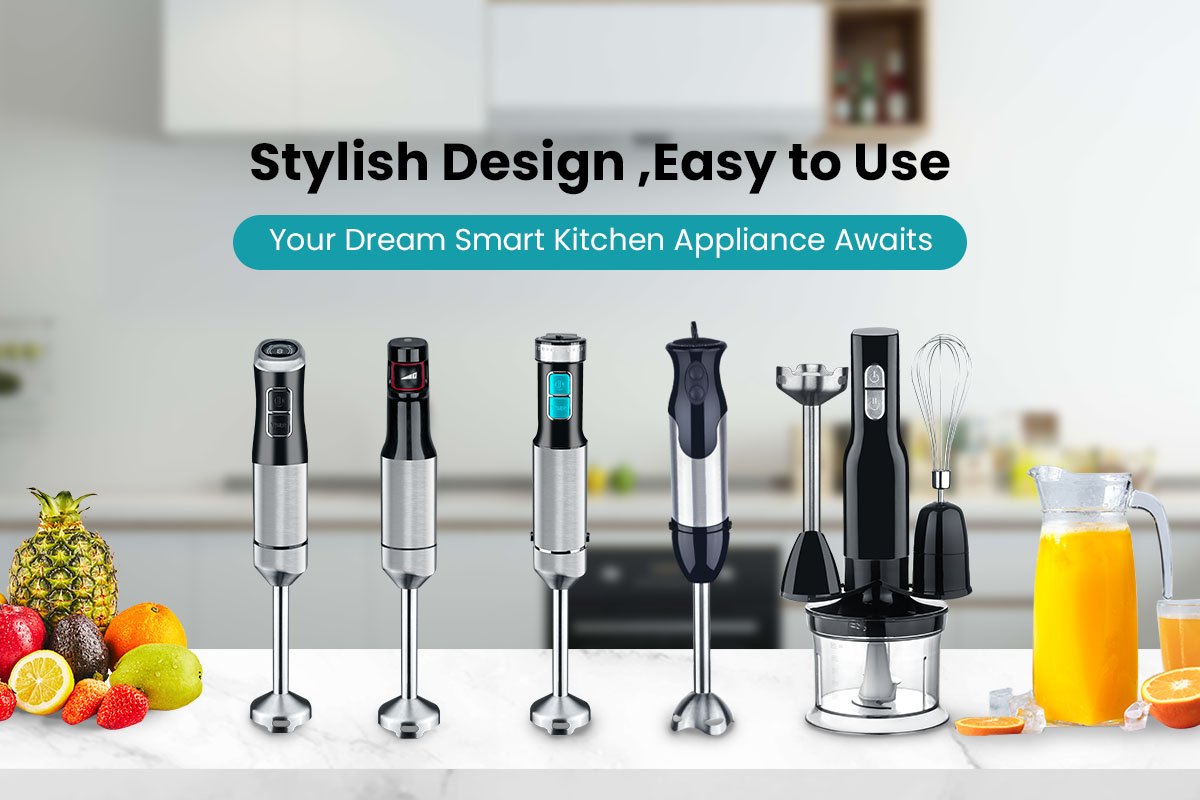
This article explains how to mix cake batter with a hand blender, when it’s appropriate, what to avoid, and why high-quality models from Kangjia Electrical Appliances Co., Ltd. make baking easier and more efficient.
1. When You Can Use a Hand Blender for Cake Batter
A hand blender is best suited for light to medium batters — recipes that don’t require heavy creaming or thick dough mixing.
Ideal for:
Sponge cakes
Cupcakes
Pancakes or waffle batter
Muffins
Quick cakes with oil or melted butter
It blends wet and dry ingredients quickly, breaking up lumps and ensuring an even consistency.
Not ideal for:
Thick cookie dough
Bread dough or yeast-based batters
Heavy butter creaming (for traditional butter cakes)
For dense recipes that require air incorporation, a hand mixer or stand mixer works better.
2. How To Mix Cake Batter Using a Hand Blender
Follow these steps to get smooth, airy batter without overmixing:
Step 1: Prepare Your Ingredients
Measure all ingredients accurately.
Bring butter, milk, and eggs to room temperature for even mixing.
Sift dry ingredients (flour, baking powder, cocoa powder) to remove lumps.
Step 2: Use a Deep Mixing Bowl
A tall, deep bowl prevents splashing while blending. Avoid shallow containers, as the high-speed rotation of the blades can create a mess.
If your hand blender comes with a blending cup or jug, that’s perfect for small quantities.
Step 3: Combine Wet Ingredients First
Add the wet ingredients (milk, eggs, oil, butter, sugar, vanilla, etc.) to the bowl.
Insert the hand blender fully below the surface of the mixture before switching it on.
Start blending on low speed and gradually increase to mix evenly.
Step 4: Add Dry Ingredients Gradually
Sift the dry mixture into the wet base slowly. Blend in short bursts to prevent flour from flying out.
Tip: Pulse rather than blend continuously — this gives better control and prevents overmixing.
Move the hand blender gently in a circular motion, keeping it submerged to ensure even blending.
Step 5: Scrape the Sides
Pause blending occasionally to scrape the sides of the bowl with a spatula. This ensures no flour or sugar remains unmixed.
Step 6: Check the Texture
The batter should be smooth and slightly thick, with no visible lumps. If it feels too runny or dense, adjust by adding small amounts of flour or milk.
Avoid over-blending, as it can develop gluten and make the cake dense instead of fluffy.
3. Tips for Best Results
| Tip | Why It Matters |
|---|---|
| Use the blending attachment, not the whisk | The blade attachment is better for combining wet and dry ingredients evenly |
| Start slow, finish smooth | Prevents splashing and keeps air bubbles stable |
| Avoid long blending times | Overmixing can make cakes chewy |
| Use short pulses | Gives you better control over consistency |
| Clean immediately | Batter hardens quickly on blades if not washed right away |
4. Cleaning After Mixing
Unplug the hand blender before cleaning.
Detach the blending shaft.
Rinse immediately under warm water to remove batter.
If residue remains, blend a cup of warm soapy water for a few seconds, rinse again, and dry.
Quick cleaning prevents buildup around the blades and ensures the blender stays hygienic.
5. Why Kangjia Hand Blenders Are Perfect for Baking Tasks
Kangjia Electrical Appliances Co., Ltd., based in Jiangmen City, Guangdong Province, designs and manufactures high-quality hand blenders, Food Processors, and mixers for both home and commercial kitchens.
Advantages for Baking:
Powerful motors (200W–1000W) handle thick batter easily.
Variable speed control for smooth transitions from light mixing to blending.
Anti-splash blade design keeps your kitchen clean.
Stainless steel blending shaft resists corrosion and is easy to wash.
Ergonomic handle design for stable, one-hand control.
Optional whisk and chopper attachments expand its functionality.
These features make Kangjia hand blenders an excellent all-in-one tool for cakes, smoothies, and sauces.
6. Common Mistakes to Avoid
| Mistake | Result |
|---|---|
| Blending too long | Dense, rubbery cake texture |
| Using a shallow bowl | Batter splashes outside |
| Mixing all ingredients at once | Uneven texture and air pockets |
| Overheating the blender | Can reduce motor lifespan |
| Using metal utensils near blades | May scratch or dull the edge |
7. Alternative Attachments for Baking
Some hand blenders include a whisk or beater attachment. Use these for:
Whipping egg whites
Beating cream
Mixing light sponge batters
This combination lets you handle nearly all baking tasks without needing a full-size mixer.
Conclusion
You can definitely use a hand blender to mix cake batter, especially for simple cakes, cupcakes, and pancakes. The key is to blend in short bursts, at low speed, and avoid overmixing.
For consistent results and easy handling, choose Kangjia hand blenders. Their powerful motors, anti-splash design, and detachable stainless-steel shafts make them ideal for everyday baking — helping you achieve smooth, fluffy cake batter effortlessly and cleanly.