




Can You Hand Blend Hot Soup
Yes — you can hand blend hot soup, and in fact, that’s one of the most popular and practical uses of a Hand Blender (also called an immersion blender). Unlike traditional countertop blenders that require you to transfer the liquid, a hand blender allows you to blend the soup directly in the pot, saving time, reducing mess, and preventing burns caused by transferring hot liquids.
However, blending hot soup safely and effectively requires the right technique, equipment, and caution. Below, you’ll learn how to hand blend hot soup step by step, the precautions to take, and why Kangjia Electrical Appliances Co., Ltd. hand blenders are ideal for handling hot foods safely and smoothly.
1. Why Hand Blenders Are Ideal for Hot Soup
Hand blenders are designed with heat-resistant stainless-steel blades and shafts, allowing them to be used directly in boiling or recently simmered soups.
Key Benefits:
No transferring — blend right in the cooking pot.
Faster preparation — saves time compared to ladling soup into a blender jar.
Less mess and risk — fewer spills and no splattering from a blender lid.
Texture control — you can make soups smooth, chunky, or semi-pureed by adjusting blending time.
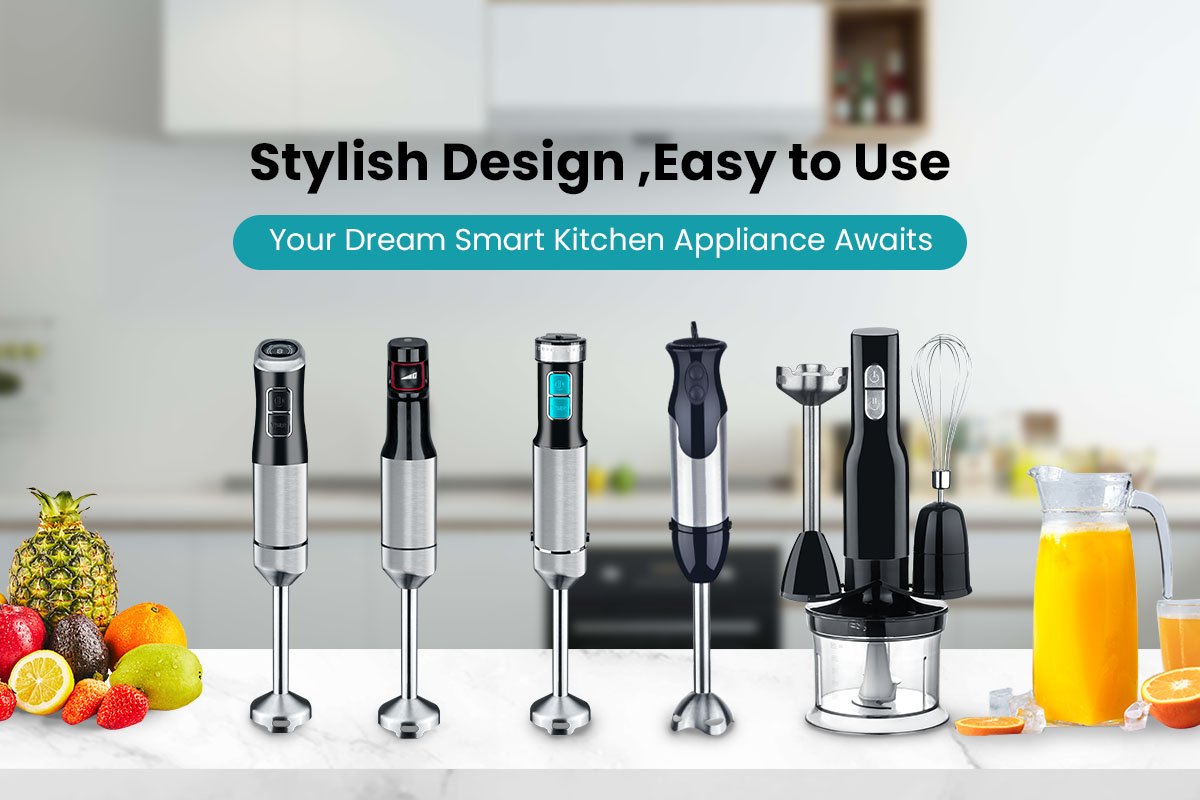
Kangjia hand blenders, for instance, are equipped with durable stainless-steel shafts that can safely handle high temperatures, making them perfect for hot food blending.
2. How To Hand Blend Hot Soup Safely
Follow these steps for smooth, safe blending and creamy results.
Step 1: Let the Soup Cool Slightly
Allow the soup to rest for 3–5 minutes after turning off the heat. It should be hot but not actively boiling — around 80–90°C (175–195°F). This prevents splashes from sudden steam release.
Step 2: Submerge the Blender Head Completely
Insert the hand blender so that the blade is fully submerged in the soup before turning it on. This prevents hot liquid from splashing out.
Tip: Tilt the pot slightly or use a tall, narrow saucepan to minimize splash risk.
Step 3: Start on Low Speed
Begin blending at low speed, especially if the soup is thin or watery. Gradually increase to medium speed once the mixture stabilizes.
Kangjia hand blenders feature variable speed control, allowing you to adjust blending intensity to match the soup’s thickness.
Step 4: Move the Blender Gently
Keep the blender at a slight angle and move it slowly around the pot in up-and-down motions.
For chunky soups, pulse briefly to keep small vegetable pieces.
For creamy soups, blend continuously for 30–60 seconds until smooth.
Avoid lifting the blades above the surface while blending — doing so can cause splashing.
Step 5: Check the Consistency
Stop blending occasionally and check the texture.
If the soup is too thick, add a small amount of broth or water and blend again.
You can create different textures:
Smooth and silky — blend fully for 1–2 minutes.
Chunky and rustic — blend briefly with short bursts.
Step 6: Turn Off Before Removing
Always turn off the blender before lifting it out of the soup. Removing it while spinning can send hot liquid flying.
Let the blades stop completely before setting the blender aside.
3. Cleaning After Blending Hot Soup
Cleaning is quick and easy:
Unplug the hand blender.
Detach the blending shaft.
Rinse under warm running water immediately after use.
For stubborn residue, fill a cup with warm soapy water, run the blender for 5 seconds, rinse, and dry.
Kangjia hand blenders are designed with detachable stainless-steel shafts, making them easy to clean and safe for hot food handling.
4. Safety Precautions for Blending Hot Soup
| Precaution | Reason |
|---|---|
| Never blend boiling soup | Boiling liquid can splatter dangerously |
| Keep the blades submerged | Prevents splashing and burns |
| Use a deep pot | Contains the liquid while blending |
| Do not overfill | Leave space for movement and air circulation |
| Hold the blender upright | Keeps hot liquid from escaping through the vents |
| Avoid touching metal parts immediately after blending | They can remain hot |
5. Common Soups You Can Hand Blend
| Soup Type | Notes |
|---|---|
| Pumpkin Soup | Blend until velvety smooth, add cream for texture |
| Tomato Soup | Pulse for a balanced smoothness |
| Mushroom Soup | Blend partially to keep bits of mushroom |
| Potato-Leek Soup | Blend fully for a silky, creamy base |
| Carrot-Ginger Soup | Achieves a rich, uniform texture easily |
| Lentil Soup | Blends evenly without transferring to a mixer |
These soups benefit from the smooth consistency a hand blender provides — especially when using stainless-steel blades that stay sharp even after repeated exposure to heat.
6. Why Choose Kangjia Hand Blenders for Hot Soups
Kangjia Electrical Appliances Co., Ltd., based in Jiangmen City, Guangdong Province, manufactures high-quality hand blenders, Food Processors, and beverage machines built for performance, safety, and durability.
Key Features for Soup Blending:
Heat-resistant stainless-steel blades and shafts ideal for hot liquids
Variable speed control for gentle or powerful blending
Powerful motors (200W–1000W) suitable for both small and large batches
Anti-splash guard design to keep countertops clean
Ergonomic handle for comfortable grip during longer blending sessions
CE, CB, and RoHS certified for international safety compliance
Kangjia’s engineering ensures smooth blending of soups, sauces, and purees without overheating or clogging.
7. Common Mistakes to Avoid
| Mistake | Effect | Solution |
|---|---|---|
| Blending boiling soup | Dangerous splashing | Let it cool slightly before blending |
| Using plastic parts | Can deform or absorb odor | Use stainless-steel shaft models |
| Lifting blender mid-operation | Splashes hot liquid | Keep blades submerged |
| Over-blending | Alters color or texture | Use short bursts for thick soups |
| Neglecting cleaning | Causes residue buildup | Clean immediately after use |
8. Additional Uses After Soup Blending
Once your soup is blended, your hand blender can also help with:
Mixing cream or milk into soups for added richness
Blending sauces or gravies
Pureeing cooked vegetables for baby food
Making dressings and marinades directly in a bowl
Its versatility extends well beyond soups, making it a valuable kitchen appliance year-round.
Conclusion
You can safely and efficiently hand blend hot soup — just make sure the soup isn’t boiling, keep the blades submerged, and blend at low speed using slow, steady motions. The result is a perfectly smooth, creamy texture without transferring to another container.
For the best results, choose Kangjia hand blenders. Their stainless-steel construction, heat resistance, variable speeds, and anti-splash design make them perfect for hot soups and other cooked dishes — delivering professional-quality performance with every blend.