




Can You Make Breadcrumbs With A Hand Blender
Understanding Whether Hand Blenders Can Process Dry Ingredients
hand blenders are widely used for blending soups, sauces, smoothies and soft foods. But when it comes to dry ingredients like bread pieces, many users wonder whether a hand blender can produce fine, consistent breadcrumbs.
For manufacturers such as KANGJIA Electrical Appliances Co., Ltd., which specializes in hand blenders, Table Blenders and multifunction kitchen appliances, this question relates directly to how their products are engineered for performance and versatility.
Can a Hand Blender Make Breadcrumbs?
Yes, but with the Right Method and Attachments
A traditional stick-style hand blender alone is not ideal for processing very dry, hard pieces of bread.
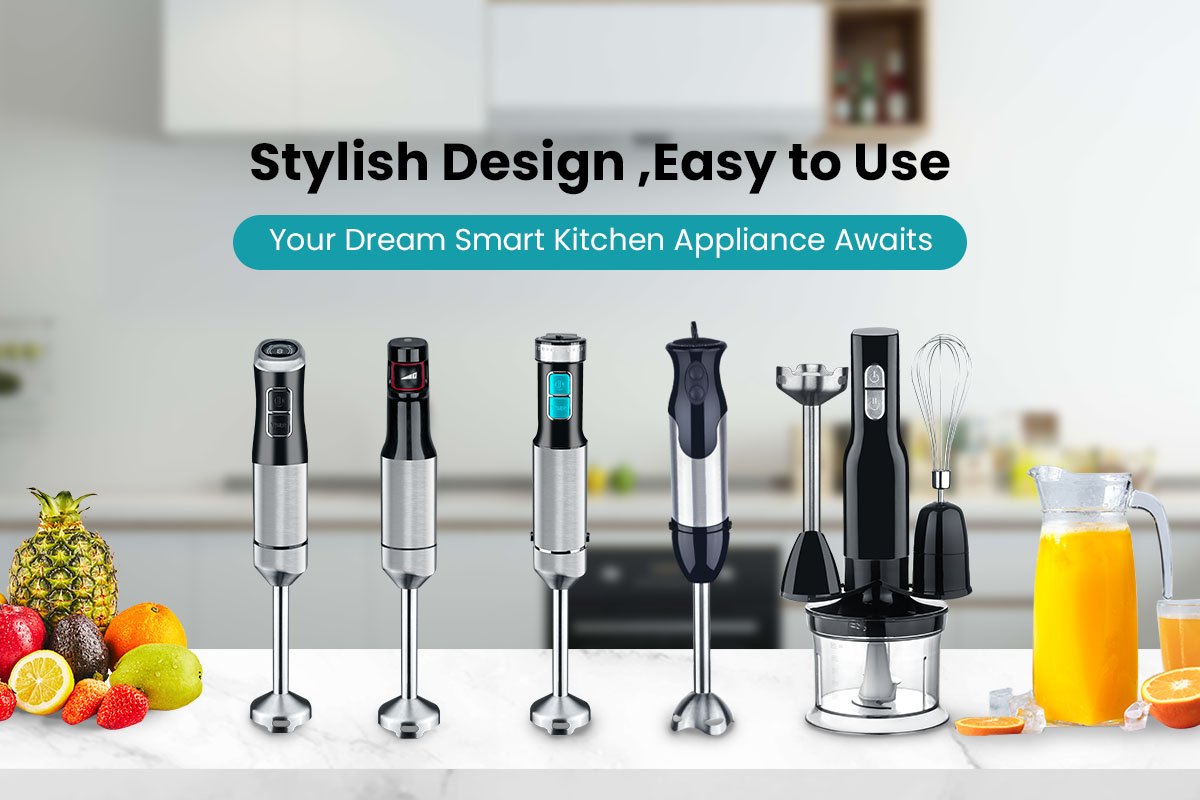
However, when paired with a mini chopper attachment, a hand blender can efficiently produce breadcrumbs suitable for cooking, coating, baking, or meal preparation.
KANGJIA’s multifunction hand blender sets often include chopper bowls and high-speed stainless steel blades, making them suitable for dry chopping tasks like breadcrumbs.
Why a Stick Blade Alone Isn’t Ideal
Using only the immersion shaft may lead to:
Uneven crumbs
Flying bread pieces
Overheating from friction
Difficulty controlling texture
Hand blender sticks are designed for liquids and soft foods, not dry aerated materials.
Best Technique: Use a Chopper Bowl Attachment
How It Works
The mini chopper attachment uses:
An enclosed container
Cross-blades optimized for chopping
Stable rotation
Controlled airflow
This setup delivers consistent, safe, and efficient breadcrumb processing.
Benefits
Even crumb size
No mess
Faster processing
Better motor load distribution
KANGJIA’s chopper accessories are built to handle small dry-food tasks while maintaining motor protection.
Step-by-Step Guide to Making Breadcrumbs with a Hand Blender
1. Dry or Toast the Bread
Ensure bread is fully dry, as moisture causes clumping.
2. Break the Bread Into Small Pieces
Smaller chunks reduce motor strain and deliver more consistent crumbs.
3. Place Bread Pieces Into the Chopper Attachment
Fill only halfway to allow free movement when chopping.
4. Pulse Instead of Running Continuously
Using short pulses helps control texture.
5. Check Consistency and Adjust
For coarse crumbs, pulse lightly.
For fine crumbs, pulse longer until the texture matches your recipe needs.
How to Avoid Overloading the Hand Blender
Important Safety and Performance Tips
Process small batches
Do not run the blender continuously for long periods
Allow the motor to rest between batches
KANGJIA’s motors are designed with temperature control, but proper usage improves longevity.
What Textures Can You Achieve?
Depending on pulsing time, you can create:
Coarse breadcrumbs (for stuffing or casseroles)
Medium crumbs (for frying coatings)
Fine crumbs (for baking or topping)
The texture can be easily customized when using a chopper accessory.
When a Hand Blender Is Not Recommended
Avoid using only the immersion stick for:
Very dry or dense bread chunks
Hard ingredients like stale baguettes
Large quantities
In these cases, a full-size table blender or Food Processor may be more efficient.
KANGJIA also manufactures table blenders capable of handling these heavier tasks.
Advantages of Using a Hand Blender for Breadcrumbs
Compact and easy to clean
Faster than manual crushing
Ideal for small kitchens
Perfect for small batches
Multi-use machine reduces clutter
For customers seeking a versatile tool, hand blender sets from KANGJIA offer a balance of performance and convenience.
Conclusion
Yes, you can make breadcrumbs with a hand blender—as long as you use a chopper bowl attachment. The standard stick blade is not suitable for dry ingredients, but the right accessory delivers efficient, consistent results.
With KANGJIA’s robust hand blender motors, stainless steel blade designs, and multifunction attachments, users can prepare breadcrumbs safely and easily as part of everyday cooking needs.