




How Do Blender Motors Generate Torque?
Torque Comes From Electrical Power And Motor Design
Blender motors generate torque by converting electrical energy into rotational force. Inside the motor, current flows through the windings and creates a magnetic field. This magnetic force drives the rotor, turns the shaft, and transfers power to the blade assembly. When the blade meets fruit, ice, nuts, or thick mixtures, torque helps the blender keep rotating instead of slowing down too quickly.
For buyers, torque is more practical than wattage alone. A high-watt motor can look attractive, but real blending performance also depends on winding quality, rotor structure, bearing stability, cooling design, blade angle, jar circulation, and load testing.
How Motor Torque Affects Blender Performance
| Torque Factor | What It Controls | Buyer Should Check |
|---|---|---|
| Starting torque | Helps the blade begin moving under load | Frozen fruit, ice, thick mixtures |
| Running torque | Keeps blade speed stable during blending | Smooth texture and shorter blending time |
| Motor winding | Supports magnetic force generation | Copper winding quality and heat control |
| Bearing structure | Reduces friction during rotation | Noise, vibration, durability |
| Cooling design | Protects motor under repeated use | Heat-rise performance |
| Blade load | Decides how much resistance the motor faces | Ingredient type and jar capacity |
Why Torque Matters More Under Heavy Ingredients
A blender may blend soft fruit easily, but the real test comes from ice, nuts, frozen fruit, and dense sauces. These ingredients create more resistance against the blade. If the motor does not generate enough torque, the blade speed drops, texture becomes uneven, and the motor may overheat.
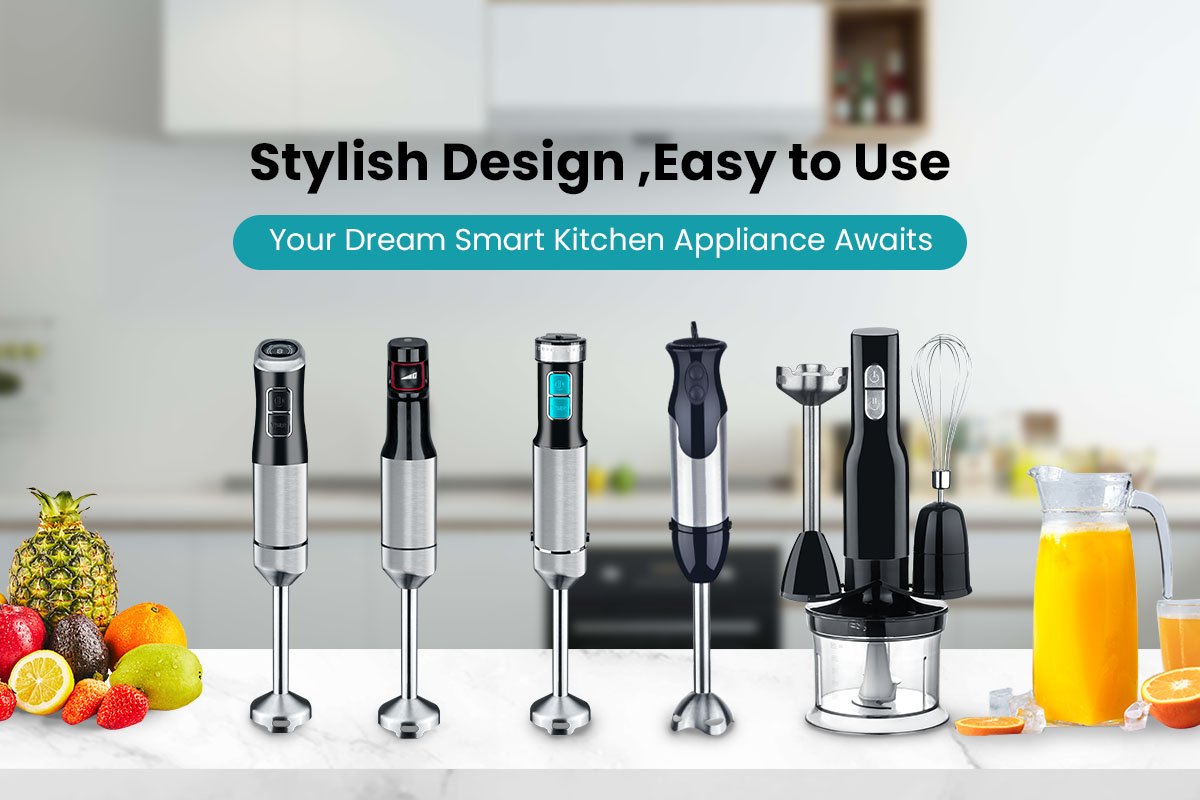
KANGJIA’s 2-In-1 Multi-Function Professional Blender uses a 1,500W motor and 1.5L glass jug for stronger blending applications, while its product range also includes Table Blenders, Hand Blenders, Nutrition Blenders, and Mini Choppers for different market needs.
Factory Testing Helps Verify Real Torque Stability
Torque should be tested under real working conditions, not only described in product sheets. A reliable blender factory should check no-load running, load performance, vibration, heat rise, noise, and electrical safety before shipment. KANGJIA’s public motor testing information highlights its in-house motor shop, internal testing room, broad blender product range, and export certification awareness.
KANGJIA also states that it operates its own injection shop, hardware shop, assembly shop, motor shop, R&D department, and testing room. This integrated structure helps our team control motor matching, blade assembly, housing fit, and finished-product quality more directly.
Professional Advice Before Ordering
Before selecting blender models, buyers should confirm power range, target ingredients, jar capacity, blade structure, voltage, plug type, noise level, heat control, packaging format, and certification needs. For OEM/ODM projects, our team can recommend a suitable motor platform based on blending workload, product price level, and bulk order plan.
Share your target market and technical requirements with KANGJIA, and we can help prepare a practical blender motor solution for stable appliance production.