




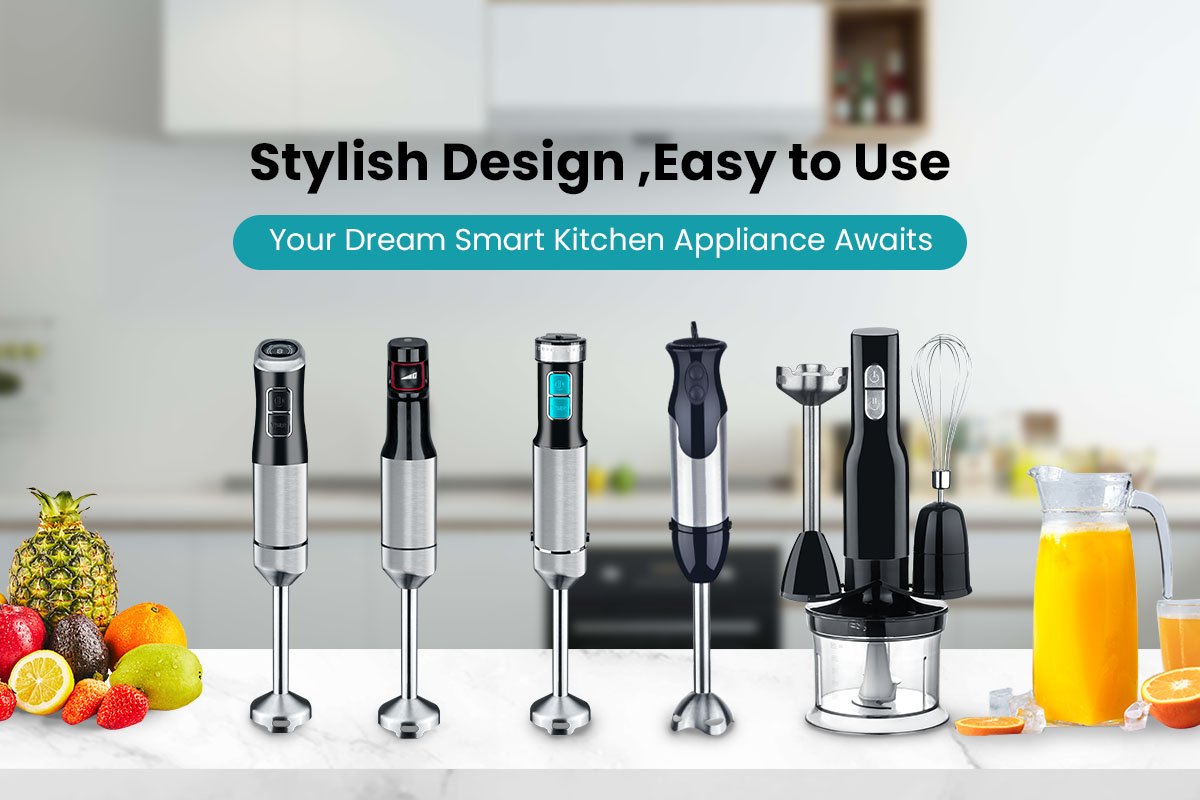
How Do Manufacturers Improve Blender Noise Reduction?
Noise Reduction Starts With Motor Balance
blender noise mainly comes from motor vibration, blade rotation, jar resonance, housing structure, and ingredient impact. A quieter blender is not created by one part alone. Manufacturers need to control the full system from motor assembly to blade matching and final appliance testing.
KANGJIA’s motor testing content explains that no-load running is one of the first checks because motors with early assembly deviation or internal imbalance often show abnormal sound before heavy load is applied. This helps factories identify noise problems before the motor is installed into the finished blender.
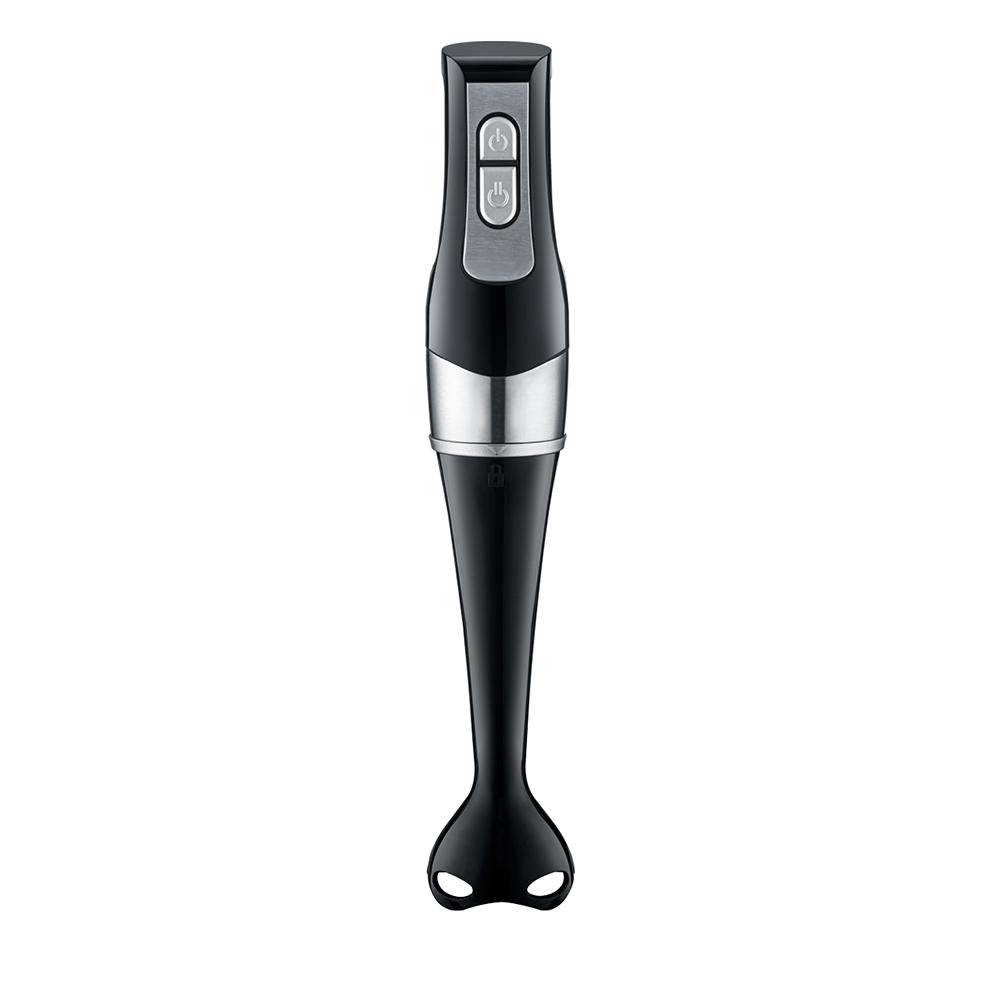
Key Ways To Reduce Blender Noise
| Noise Control Area | How Manufacturers Improve It | Buyer Should Check |
|---|---|---|
| Motor balance | Test rotor, bearing, shaft, and winding stability | Abnormal sound, vibration, heat rise |
| Blade matching | Match blade angle with motor output | Cutting smoothness and jar circulation |
| Coupler design | Reduce loose connection between motor and blade | Shaking, friction, service life |
| Housing structure | Improve assembly fit and material strength | Rattle noise during operation |
| Base support | Add anti-slip or shock-absorbing structure | Countertop vibration |
| Load testing | Test with real ingredients | Noise under smoothies, ice, frozen fruit |
Why Vibration Control Matters
Noise often increases when the blender base vibrates against the countertop. KANGJIA’s commercial Juicer guidance gives a practical example: adding a shock-absorbing pad at the bottom of equipment can reduce noise from 72 dB A to 68 dB A. The same idea is useful in blender design because stable base contact can reduce vibration transfer during operation.
Motor assembly also matters. KANGJIA’s motor manufacturing content lists rotor and bearing installation, motor closure, test running, system integration, and final appliance testing as key steps, with final testing covering load performance, noise, heat, and safety.
KANGJIA’s Manufacturing Support
KANGJIA’s High-Speed Blender uses a 500W motor, stainless steel blade structure, stainless steel housing, and five blending speed levels. Its professional blender platform also includes a 1,500W motor for stronger blending tasks. These product platforms show why noise control must be matched with motor power, jar capacity, blade structure, and target use.
For OEM/ODM projects, buyers should not only ask whether the blender is quiet. It is better to confirm the test method, ingredient load, running time, motor heat rise, vibration level, jar sealing, packaging protection, and certification needs. KANGJIA can help review product positioning, motor platform, housing structure, blade design, and bulk order requirements before production.
Share your target market, blender specification, noise requirement, and order plan with KANGJIA. Our team can recommend a practical blender solution for stable production and long-term supply.