




What Is The Difference Between A Blender Manufacturer And A Trading Company
Choosing the right supply partner is one of the most important decisions when developing blender products. A company that can provide a product catalog is not always the same as a company that can control production quality, support customization, and manage long-term supply.
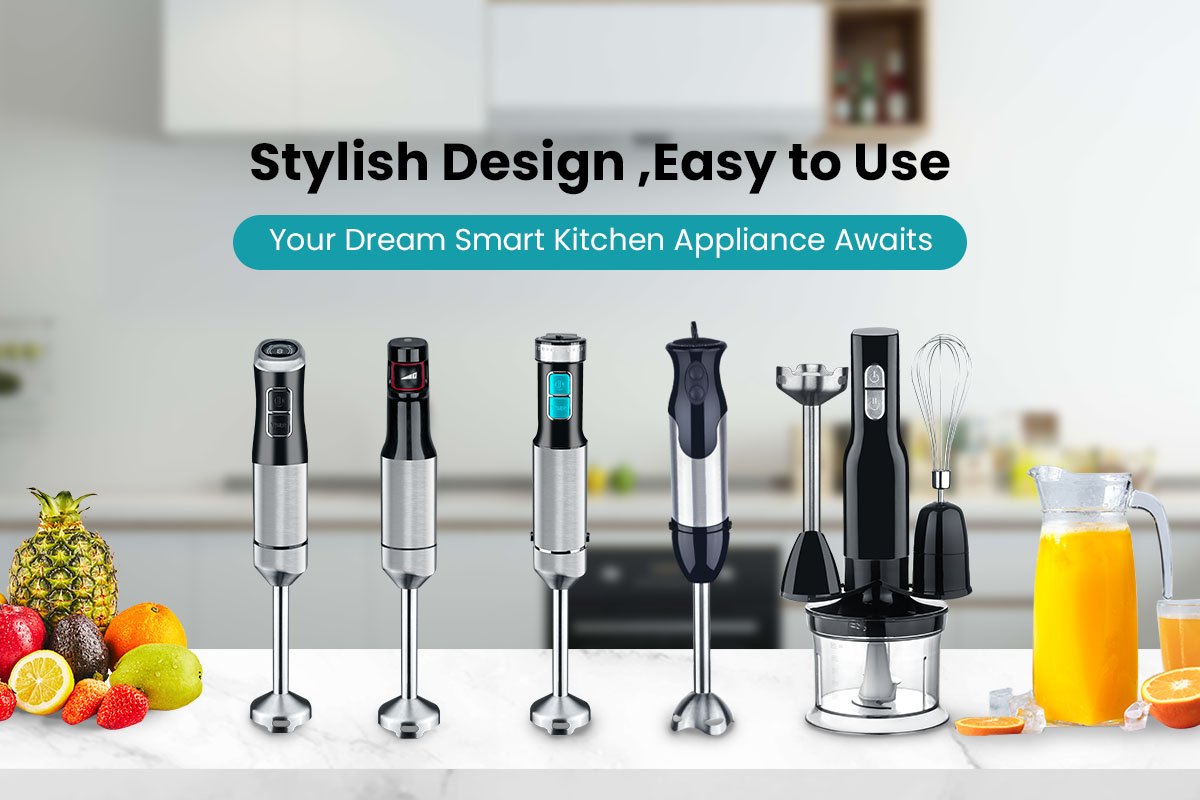
Understanding the difference between a blender manufacturer and a trading company helps evaluate production capability, OEM experience, quality management, and export support. As a professional kitchen appliance manufacturer, KANGJIA focuses on integrated production, product development, and strict quality control, providing solutions for Hand Blenders, Table Blenders, Nutrition Blenders, mini choppers, and other small appliances. (KANGJIA)
Manufacturer vs Trader: Different Roles In The Supply Chain
A trading company mainly connects products with markets. It may have strong communication abilities, but production processes are usually managed by external factories.
A direct blender manufacturer controls more parts of the production process, including:
Product design and engineering
Material selection
Component production
Assembly management
Quality inspection
Production scheduling
For blender products, manufacturing control is especially important because a complete appliance involves multiple systems, including motors, circuit boards, blades, containers, and plastic structures.
When a manufacturer manages these processes internally, technical communication becomes faster and production adjustments become easier.
Manufacturing Process Overview: How A Factory Produces Blenders
A professional kitchen appliance manufacturer should have a complete production workflow rather than only purchasing finished products.
The general manufacturing process includes:
| Production Stage | Main Activities | Manufacturing Value |
|---|---|---|
| Product Development | Structure design and engineering review | Improves product feasibility |
| Component Production | Motor, plastic, and hardware processing | Controls component consistency |
| Assembly | Integration of all parts | Ensures production efficiency |
| Quality Testing | Performance and safety inspection | Reduces product risks |
| Export Preparation | Packaging and documentation | Supports global delivery |
A factory with internal production capability can better coordinate different departments. For example, the motor performance must match the blade system, while the circuit design must support speed control functions.
KANGJIA integrates injection molding, hardware processing, motor production, assembly, and testing capabilities to maintain control over important manufacturing stages. (KANGJIA)
OEM And ODM Capability: The Advantage Of Working With A Manufacturer
One major difference between manufacturers and traders is product development capability.
A trading company usually focuses on existing products, while an OEM blender manufacturer can help develop customized solutions.
A complete OEM and ODM process usually includes:
Requirement Analysis
Manufacturers evaluate:
Product functions
Motor power
Voltage requirements
Capacity specifications
Appearance design
Packaging requirements
Engineering Development
Engineers optimize:
Product structure
Motor matching
Circuit system
Material selection
Manufacturing process
Prototype Verification
Before mass production, samples are tested for:
Performance
Safety
Durability
User operation experience
KANGJIA supports customized kitchen appliance development and provides different blender solutions according to product application requirements. (KANGJIA)
Quality Control Differences Between Manufacturers And Traders
Quality control is another important difference.
A manufacturer can directly manage inspection procedures during production, including:
Material Inspection
Factories check:
Plastic materials
Metal components
Motor parts
Electronic components
Production Inspection
During assembly, manufacturers monitor:
Component installation
Electrical connection
Product appearance
Functional performance
Final Product Testing
Before shipment, products are tested for:
Motor operation
Speed control
Noise performance
Electrical safety
Continuous working capability
According to IEC 60335 safety requirements for household and similar electrical appliances, manufacturers need to evaluate electrical safety and operational reliability before products enter international markets.
A factory-controlled quality system helps identify problems earlier compared with relying only on final product inspection.
Material Standards Used In Blender Manufacturing
Manufacturing capability also affects material control.
A professional blender factory should understand how different materials influence product performance.
| Component | Common Material Requirement | Purpose |
|---|---|---|
| Blade System | Stainless steel | Corrosion resistance and durability |
| Motor Components | Electrical-grade materials | Stable power output |
| Housing | Engineering plastics | Strength and insulation |
| Food Contact Parts | Safety-compliant materials | Product safety |
Direct manufacturers can participate in material selection according to product positioning and export market requirements.
For example, stainless steel blade structures are commonly selected for their durability and resistance to repeated food preparation processes.
Bulk Supply Considerations: Factory Capacity Matters
For large-volume projects, a reliable bulk blender supplier needs more than product availability.
Important factors include:
Production capacity
Component supply stability
Batch consistency
Manufacturing schedule
Quality tracking
A manufacturer can directly adjust production plans according to demand changes. This helps maintain stable supply and reduce communication delays.
A trading company may need to coordinate between multiple suppliers, which can increase complexity when handling technical changes or quality improvements.
Project Sourcing Checklist Before Choosing A Supplier
Before cooperation, companies should evaluate several important factors:
| Evaluation Area | Key Questions |
|---|---|
| Factory Capability | Does the company own production facilities? |
| OEM Experience | Can it develop customized products? |
| Quality System | Are inspection procedures available? |
| Material Control | Are production materials managed internally? |
| Certification | Can products meet export requirements? |
| Supply Ability | Can it support long-term production? |
This evaluation helps identify whether a supplier has real manufacturing capability or mainly provides trading services.
Export Market Compliance Capability
International kitchen appliances must meet different market requirements.
A professional export kitchen appliance supplier should understand:
Electrical safety standards
Material regulations
Product testing requirements
Export documentation
Common certifications and compliance requirements include CE, CB, GS, RoHS, LFGB, and REACH depending on the target market.
KANGJIA products have obtained certifications including GS, CE, CB, LFGB, ROHS, and REACH, supporting different international market requirements. (KANGJIA)
Why Choosing A Direct Blender Manufacturer Creates Long-Term Value
The difference between a blender manufacturer and a trading company is not only about where products come from. It is about production control, engineering support, quality management, and the ability to create customized solutions.
A direct manufacturer can provide better visibility into the complete process, from material selection and product development to assembly and final inspection.
As an experienced blender manufacturer, KANGJIA focuses on integrated manufacturing, OEM and ODM development, and strict quality control. With complete production capabilities and export experience, KANGJIA provides reliable kitchen appliance solutions for global markets. (KANGJIA)