




What Are The Advantages Of Buying Blenders Directly From A Manufacturer
Choosing the right supply source is an important decision when developing blender products. Buying directly from a blender manufacturer provides more than a competitive price. It allows better control over product quality, customization, production efficiency, and long-term supply stability.
For kitchen appliance projects, working with a direct factory helps connect product design, engineering, manufacturing, and quality inspection into one complete process. KANGJIA ELECTRICAL APPLIANCES specializes in small home appliance manufacturing, integrating development, production, and sales. With internal injection molding, hardware processing, assembly, motor production, R&D, and testing capabilities, KANGJIA controls key manufacturing stages to provide reliable OEM and ODM solutions. (KANGJIA)
Manufacturer vs Trader: Better Control Over Product Development
One of the biggest advantages of buying directly from a manufacturer is production transparency.
A trading company mainly connects buyers with factories, while a direct kitchen appliance manufacturer participates in every important stage, including:
Product design
Material selection
Component development
Production management
Quality inspection
For blender products, many components need to work together, including the motor system, circuit board, blade structure, container, and housing. Direct communication with a factory makes it easier to solve technical problems and improve product performance.
A manufacturer can also provide clearer information about production capability, lead time, quality standards, and customization options.
Manufacturing Process Overview From Design To Finished Product
A professional OEM blender manufacturer should have a complete manufacturing system instead of only assembling finished products.
The typical production process includes:
| Production Stage | Main Process | Factory Advantage |
|---|---|---|
| Product Development | Design and engineering evaluation | Better customization control |
| Component Manufacturing | Motor, plastic, and hardware production | Stable component quality |
| Product Assembly | Complete blender integration | Improved production efficiency |
| Quality Testing | Performance and safety inspection | Reduced quality risks |
| Export Preparation | Packaging and documentation | Smoother global delivery |
KANGJIA manages multiple production processes internally, including injection shop, hardware shop, assembly shop, and motor shop. This integrated production model helps maintain consistency between different product batches. (KANGJIA)
OEM and ODM Advantages For Customized Blender Projects
Direct cooperation with a manufacturer creates more opportunities for OEM and ODM development.
A factory with engineering experience can support:
Product Function Customization
Manufacturers can adjust:
Motor power
Speed control systems
Blade structures
Product capacity
Accessories
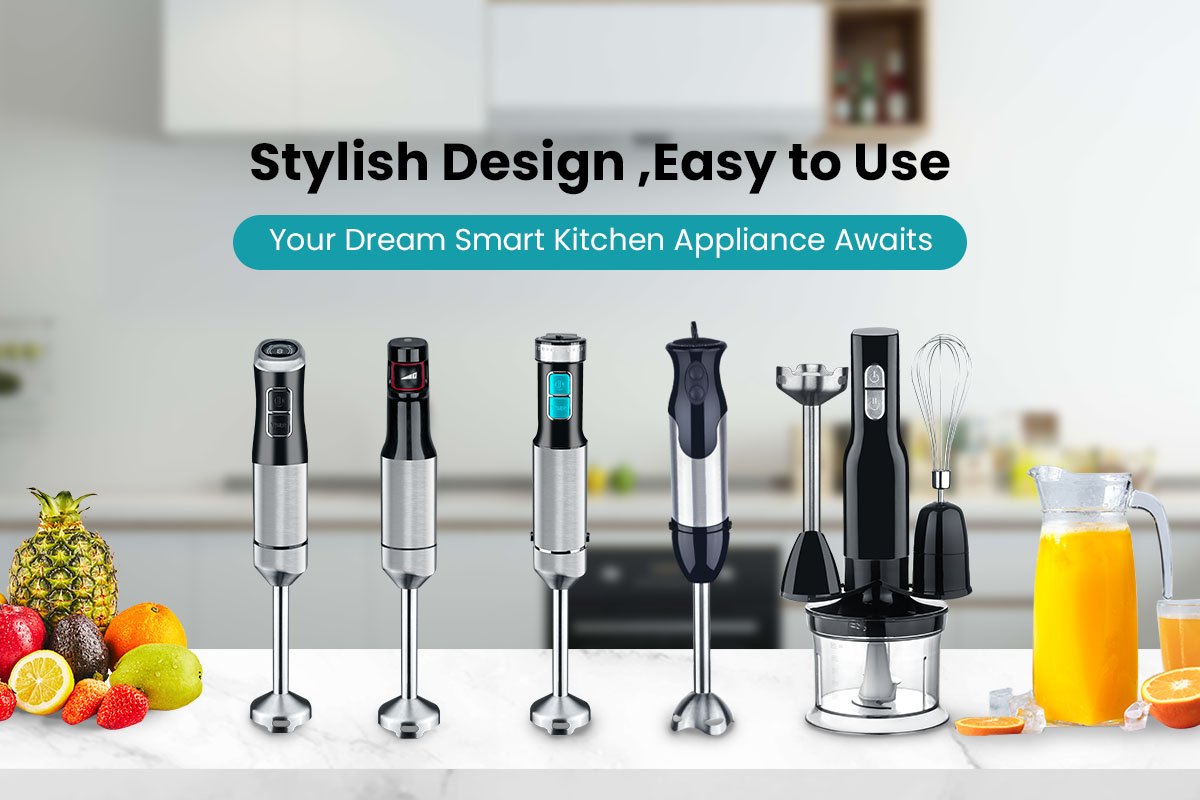
For example, different blender applications may require different specifications. KANGJIA Electric Blender models include different power configurations, speed settings, jar capacities, and blade designs to support various kitchen applications. (KANGJIA)
Appearance And Packaging Development
Direct factory cooperation also allows customization of:
Product colors
Logo printing
Packaging design
Product appearance
This helps create products that match different market positioning.
Quality Control Advantages From Factory Management
Quality control is another major benefit of purchasing directly from a manufacturer.
A professional factory can establish inspection procedures throughout the production process.
Important checkpoints include:
Material Inspection
Before production, factories check:
Plastic materials
Metal components
Electronic parts
Motor components
Assembly Inspection
During manufacturing, factories monitor:
Component installation
Electrical connections
Product structure
Appearance quality
Final Performance Testing
Before shipment, products are tested for:
Motor operation
Speed control
Electrical safety
Continuous working performance
According to IEC 60335 safety standards for household electrical appliances, manufacturers need to evaluate electrical safety and reliability before products enter international markets.
KANGJIA has its own R&D department and testing room, with products passing certifications including GS, CE, CB, LFGB, ROHS, and REACH to support different export requirements. (KANGJIA)
Material Standards Used By Professional Manufacturers
Direct factory cooperation also provides better control over material standards.
High-quality blenders usually require:
| Product Component | Material Consideration |
|---|---|
| Blade System | Stainless steel with corrosion resistance |
| Motor Components | Durable electrical materials |
| Housing Structure | Strong engineering plastics |
| Food Contact Parts | Safety-compliant materials |
A manufacturer can directly manage material selection according to product positioning and market regulations.
For example, KANGJIA stainless steel blender products use stainless steel blade systems and durable structures designed for blending, grinding, and food preparation applications. (KANGJIA)
Bulk Supply Benefits From Direct Factory Cooperation
For large-volume production, working directly with a bulk blender supplier provides advantages in production planning and supply stability.
Key benefits include:
More predictable production schedules
Better inventory coordination
Stable product quality
Faster communication
Lower supply chain complexity
A factory can directly adjust production plans according to demand changes, helping maintain stable supply during long-term cooperation.
Project Sourcing Checklist Before Selecting A Manufacturer
Before starting a blender project, several factors should be evaluated:
| Evaluation Item | Key Consideration |
|---|---|
| Manufacturing Capability | Does the factory control major processes? |
| OEM Experience | Can it support product customization? |
| Quality System | Are inspection procedures available? |
| Material Control | Are materials compliant with standards? |
| Certification | Can products meet target market requirements? |
| Production Capacity | Can it support stable supply? |
A complete evaluation helps identify manufacturers that can provide long-term production support.
Export Market Compliance Support
Direct cooperation with an experienced manufacturer can simplify export preparation.
Different markets may require different standards related to:
Electrical safety
Environmental requirements
Food contact materials
Product documentation
Manufacturers with export experience can consider compliance during product development instead of making adjustments after production.
KANGJIA products support international markets with certifications including CE, CB, GS, LFGB, ROHS, and REACH, helping meet different regional requirements. (KANGJIA)
Building Long-Term Value Through Direct Manufacturing
Buying blenders directly from a manufacturer provides advantages in product control, customization, quality management, and supply stability. Instead of only purchasing finished products, customers can work with a factory that understands engineering requirements and production processes.
As an experienced blender manufacturer, KANGJIA focuses on integrated manufacturing, OEM and ODM development, and strict quality control. With complete production capabilities covering motors, injection molding, assembly, and testing, KANGJIA provides reliable kitchen appliance solutions for global markets. (KANGJIA)