




What Customization Options Are Available For Private Label Blenders
Private label blenders allow companies to develop products with their own brand identity, market positioning, and functional requirements. However, private label manufacturing is not limited to adding a logo on an existing product. A professional blender manufacturer can provide deeper customization options, including product appearance, functions, materials, packaging, and market compliance.
At KANGJIA, we focus on small kitchen appliance manufacturing with integrated production capabilities covering product development, injection molding, hardware processing, motor production, assembly, and testing. This manufacturing structure allows us to support OEM and ODM blender projects from initial design discussions to mass production.
Manufacturer vs Trader: Why Factory Capability Matters For Private Label
The difference between a manufacturer and a trading company becomes important when developing private label products.
A trading company may provide existing models with basic customization, but a direct kitchen appliance manufacturer can participate in:
Product engineering
Material selection
Function development
Production optimization
Quality management
Private label products often require adjustments based on market positioning. A manufacturer with internal production capability can evaluate whether customization is technically feasible and recommend suitable solutions.
For example, changing motor power, container material, control functions, or product structure may affect the entire production process. Direct factory communication helps reduce unnecessary development delays.
Manufacturing Process Overview For Private Label Blender Development
A professional OEM blender manufacturer usually follows a structured development process.
| Development Stage | Customization Activities |
|---|---|
| Product Evaluation | Select product platform and define requirements |
| Engineering Development | Adjust structure, functions, and components |
| Prototype Production | Create samples for testing |
| Sample Approval | Confirm appearance and performance |
| Mass Production | Manufacture according to approved specifications |
| Quality Inspection | Verify product consistency |
A complete private label project requires cooperation between engineering, production, and quality teams. The manufacturer needs to ensure that customized features can be produced consistently during bulk manufacturing.
Product Appearance Customization Options
Appearance customization is one of the most common private label requirements.
Available options usually include:
Logo Customization
Manufacturers can add brand identity through:
Logo printing
Laser engraving
Embossed design
Customized labels
Color Customization
Product colors can be adjusted according to brand requirements, including:
Housing color
Button color
Container design
Accessories
Industrial Design Adjustment
For more advanced projects, manufacturers can help modify:
Product shape
Handle structure
Control panel appearance
Surface finishing
These changes help create a unique product appearance instead of using a standard market model.
Functional Customization Options
Private label blenders can also be customized based on performance requirements.
Common functional options include:
| Customization Area | Available Adjustments |
|---|---|
| Motor System | Power level and performance settings |
| Speed Control | Different speed modes and control methods |
| Blade System | Blade structure and material selection |
| Capacity | Different jar sizes |
| Accessories | Additional attachments and components |
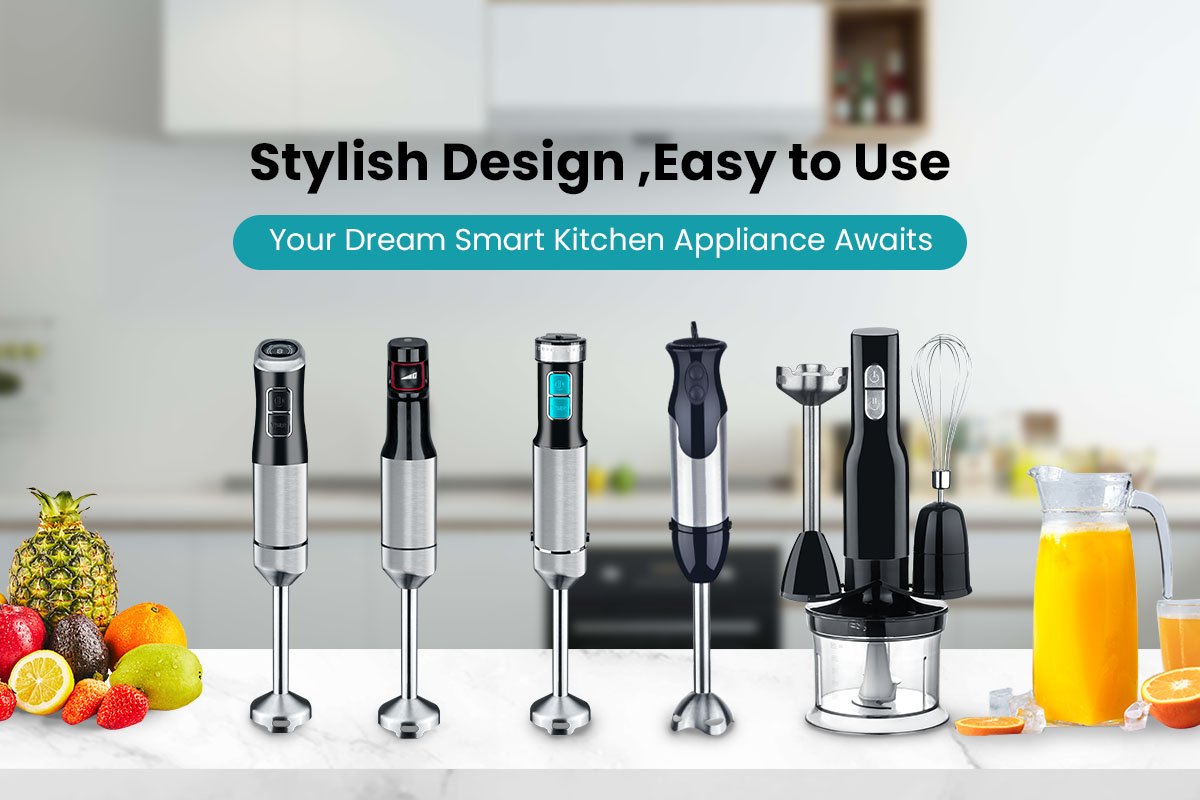
KANGJIA provides different blender solutions, including Electric Blenders, Hand Blenders, Nutrition Blenders, and other kitchen appliances, supporting different product configurations. KANGJIA Electric Blender Products
Material Standards Used In Private Label Blenders
Material selection directly influences product quality, safety, and market acceptance.
A professional manufacturer should help evaluate materials for:
Blade Components
Common considerations include:
Stainless steel quality
Corrosion resistance
Cutting performance
Durability
Container Materials
Manufacturers may provide different options based on product positioning:
Food-grade plastic
Glass containers
Other compliant materials
Housing Materials
Engineering plastics are commonly selected because they provide:
Electrical insulation
Structural strength
Heat resistance
Good surface appearance
Material selection should also consider export market regulations and certification requirements.
OEM And ODM Process For Private Label Projects
Private label development can follow different levels of customization.
Standard OEM Customization
This approach uses existing product structures while adjusting:
Brand logo
Packaging
Colors
Accessories
It is suitable for faster product launch.
Customized ODM Development
ODM projects involve deeper product development, including:
New appearance design
Structural modification
Function adjustment
Prototype development
A capable blender supplier should support both options depending on project goals.
Quality Control Checkpoints During Custom Production
Customization does not reduce the importance of quality control. In fact, customized products require stricter management because more variables are involved.
Important checkpoints include:
Material Inspection
Factories check:
Plastic materials
Electronic components
Motor parts
Stainless steel components
Production Inspection
During assembly, manufacturers monitor:
Component installation
Product appearance
Electrical connections
Functional performance
Final Product Testing
Before shipment, products are tested for:
Motor operation
Speed control
Safety performance
Continuous working stability
According to IEC 60335 safety requirements for household electrical appliances, manufacturers need to evaluate electrical safety and reliability before products enter international markets.
Bulk Supply Considerations For Private Label Blenders
For private label projects, customization level directly affects production planning.
A reliable bulk blender supplier should consider:
Production quantity
Material preparation
Packaging requirements
Component availability
Delivery schedule
Large-volume production requires stable manufacturing processes to ensure every unit maintains the same customized specifications.
A factory with integrated production capability can better control production consistency during repeated orders.
Project Sourcing Checklist Before Private Label Production
Before starting a private label blender project, manufacturers usually confirm:
| Project Item | Information Required |
|---|---|
| Product Model | Existing model or new development |
| Branding | Logo and appearance requirements |
| Functions | Motor, speed, and accessory needs |
| Materials | Required material standards |
| Packaging | Retail packaging specifications |
| Certification | Target market requirements |
| Quantity | Production and supply planning |
Clear project information helps manufacturers provide accurate solutions and avoid changes during production.
Export Market Compliance For Private Label Blenders
Private label products must meet regulations in target markets.
Common compliance requirements include:
CE certification
CB certification
RoHS compliance
LFGB food safety requirements
REACH chemical regulations
KANGJIA supports international market requirements through quality management and certification systems, with products covering different export standards including GS, CE, CB, LFGB, RoHS, and REACH.
Building A Unique Blender Brand Through Manufacturing Partnership
Private label blender customization involves much more than adding a brand logo. A reliable manufacturing partner should provide support in product design, material selection, engineering development, quality control, and export compliance.
As an experienced blender manufacturer, KANGJIA combines integrated production capabilities with OEM and ODM expertise. Through professional manufacturing processes and quality management, KANGJIA helps create customized blender solutions for different global markets.