




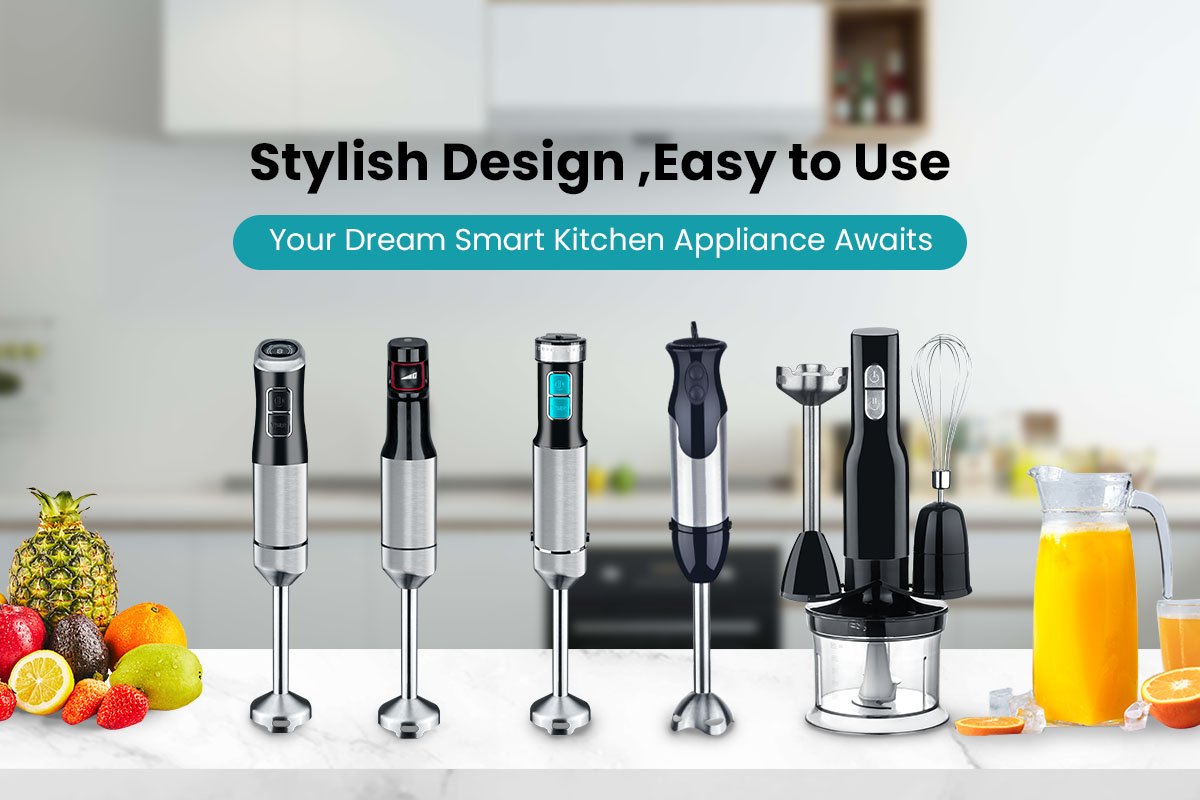
What Are The Most Common Blender Accessories
Accessories Decide How Flexible A Blender Can Be
The most common Blender Accessories include jars, lids, blade assemblies, measuring caps, dry mill attachments, chopping cups, whisk heads, sealing rings, protective sleeves, and coupling parts. These accessories help one blender handle more kitchen tasks, from smoothies and sauces to dry grinding, chopping, mixing, and light food preparation.
KANGJIA’s stainless steel blender product page mentions the base unit, jar, lid, and dry mill attachment during installation, while its assembly guidance also describes bowls, lids, internal supports, metal shafts, blades, and wire-form whisk heads as parts often coordinated in multi-function blender production.
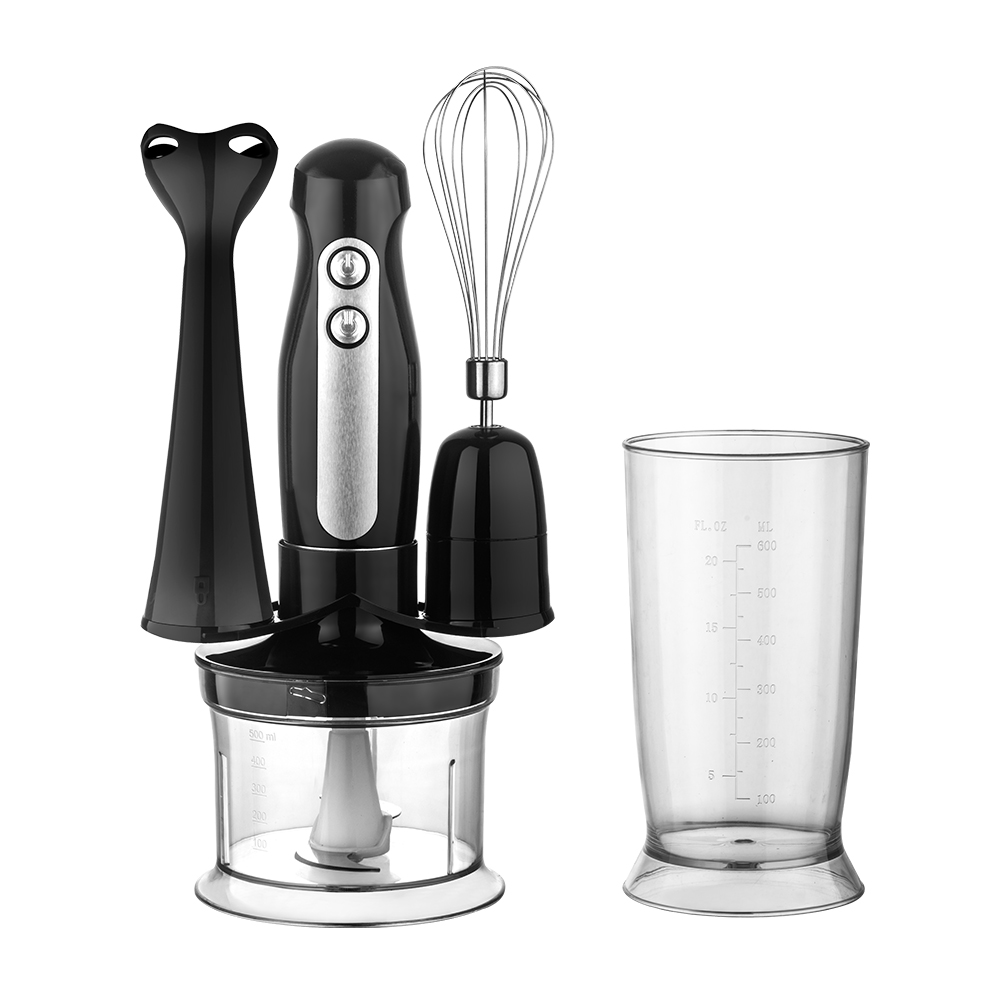
Common Blender Accessories And Their Uses
| Accessory | Main Function | Buyer Should Check |
|---|---|---|
| Blender jar | Holds ingredients during blending | Capacity, material, sealing, drop resistance |
| Lid and measuring cap | Prevents splashing and supports ingredient adding | Fit, safety, food-contact material |
| Blade assembly | Cuts, crushes, and circulates food | Stainless steel quality and sharpness |
| Dry mill attachment | Grinds dry ingredients in small batches | Blade type and cup structure |
| Chopper cup | Handles small food preparation tasks | Capacity and motor matching |
| Whisk head | Mixes eggs, cream, and light liquids | Wire strength and connection stability |
| Sealing ring | Helps prevent leakage | Material safety and aging resistance |
| Coupling part | Transfers motor power to accessories | Fit accuracy and durability |
Why Accessory Quality Matters
Blender Accessories are not simple spare parts. A weak lid may leak during high-speed blending. A poor sealing ring may allow liquid to enter the base area. A low-quality coupling part may wear quickly and affect power transmission. For export appliance programs, food-contact parts also need material control because jars, lids, seals, and ingredient-contact surfaces can affect product compliance planning. KANGJIA lists LFGB among its certifications, which is relevant for food-contact suitability in blender projects.
KANGJIA’s Manufacturing Support
KANGJIA Electrical Appliances Co., Ltd. is located in Jiangmen, Guangdong, and integrates development, production, and sales. The company has its own injection shop, hardware shop, assembly shop, motor shop, R&D department, and testing room. Its product range covers Hand Blenders, Table Blenders, Nutrition Blenders, Mini Choppers, and more.
For OEM/ODM projects, buyers should confirm accessory combinations, jar capacity, blade structure, material standard, packing method, spare part needs, and bulk order plan before production. Share your target market and product line idea with KANGJIA, and our team can recommend a practical blender accessory solution for stable appliance supply.