




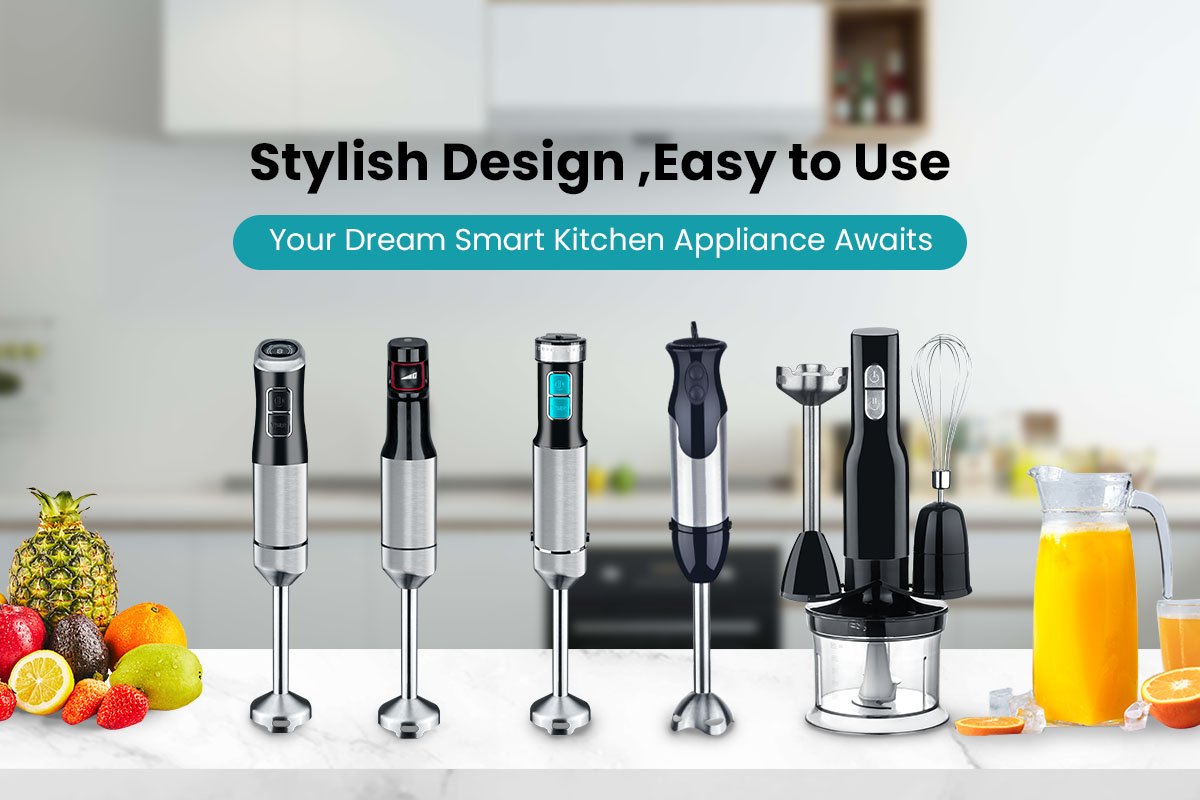
What Is The Typical Capacity Of Household Blenders?
Most Household Blenders Use Mid-Size Jars
The typical capacity of Household Blenders is usually around 1.0L to 2.0L, depending on the target user, kitchen space, recipe type, and product price level. For many family kitchen programs, 1.5L is a practical mainstream choice because it can handle smoothies, milkshakes, sauces, soups, and fruit blends without making the appliance too large for daily storage.
KANGJIA’s Electric Blender and High-Speed Blender product information both list 1.5L glass jugs, while its professional blender platform also uses a 1.5-litre glass jug for moderate portions. This capacity is suitable for serving about 2 to 3 people per blending cycle, making it useful for standard household kitchen use.
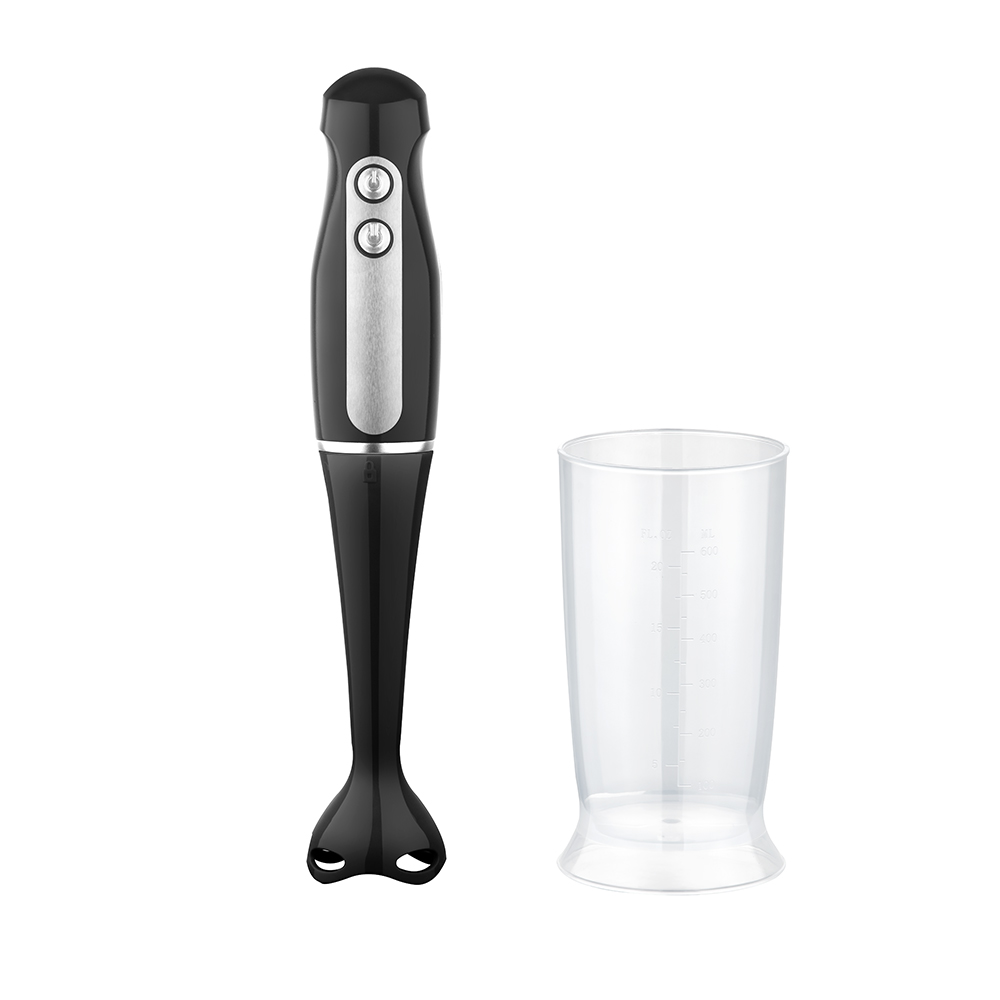
Common Capacity Choices For Household Blenders
| Capacity Range | Common Use | Buyer Should Check |
|---|---|---|
| 0.3L to 0.6L | Personal drinks and portable blending | Cup material, lid sealing, travel use |
| 0.8L to 1.2L | Small family recipes | Compact size and easy storage |
| 1.5L | Standard household blending | Smoothies, sauces, soup, milkshakes |
| 1.5L to 2.0L | Larger family or higher-end models | Motor power, jar strength, safety design |
| Above 2.0L | Larger batch preparation | Heat control and product positioning |
Why Capacity Must Match Motor Power
A larger jar is not always better. If the jar capacity increases but the motor, blade structure, and cooling design are not upgraded, blending performance may become unstable. Thick smoothies, frozen fruit, ice, and nut mixtures need stronger torque and better blade circulation than soft fruit drinks.
KANGJIA’s stainless steel blender page lists a 1.5L stainless steel jar with a 500W motor and a six-piece stainless steel blade system, while its food-grade blender parts content mentions nutrient blender capacity from 1.5L to 2L with Tritan jar material. These product directions show that capacity should be planned together with jar material, motor power, blade design, and target recipe.
Professional Advice Before Choosing Capacity
For household appliance projects, buyers should first define the main usage scenario. A personal blender needs compact size and convenient cleaning. A family countertop blender needs a stable 1.5L jar and stronger daily-use performance. A higher-capacity model needs better motor matching, sealing, safety lock design, carton protection, and certification support.
KANGJIA Electrical Appliances Co., Ltd. focuses on small home appliances, including Table Blenders, Hand Blenders, Nutrition Blenders, Mini Choppers, and related kitchen appliances. Our team can support OEM/ODM development, capacity selection, jar material planning, packaging design, and bulk order supply. Share your target market and product specification with KANGJIA, and we can recommend a practical Household Blender solution for stable production.