




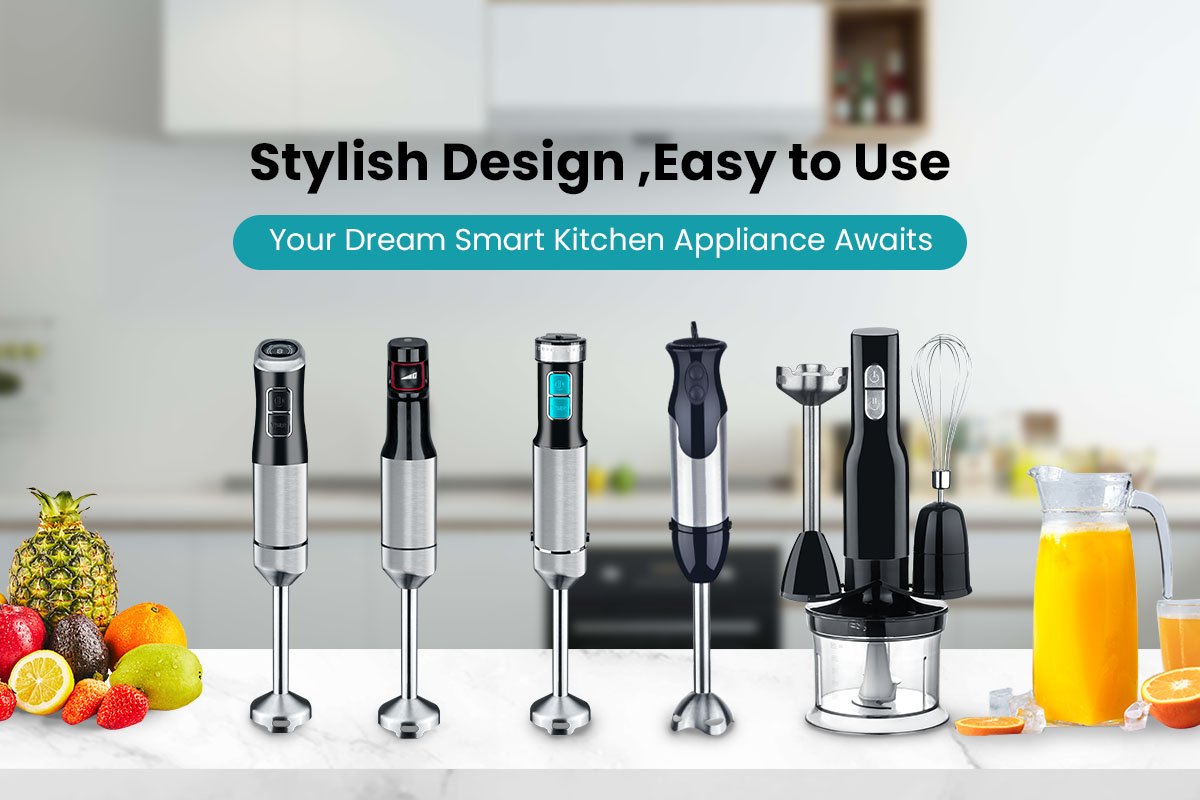
What Are The Key Components inside A Blender?
A blender Works Through Connected Mechanical And Electrical Parts
The key components inside a blender include the motor, blade assembly, jar, lid, sealing ring, coupling system, control switch, housing, cooling structure, and safety protection parts. These components must work together to turn electrical power into stable blending performance.
For example, KANGJIA’s stainless steel blender uses a 500W motor, a 1.5L stainless steel jar, stainless steel housing, and a six-piece stainless steel blade system. This shows how motor power, jar capacity, and blade structure need to be matched as one appliance platform, not selected separately.
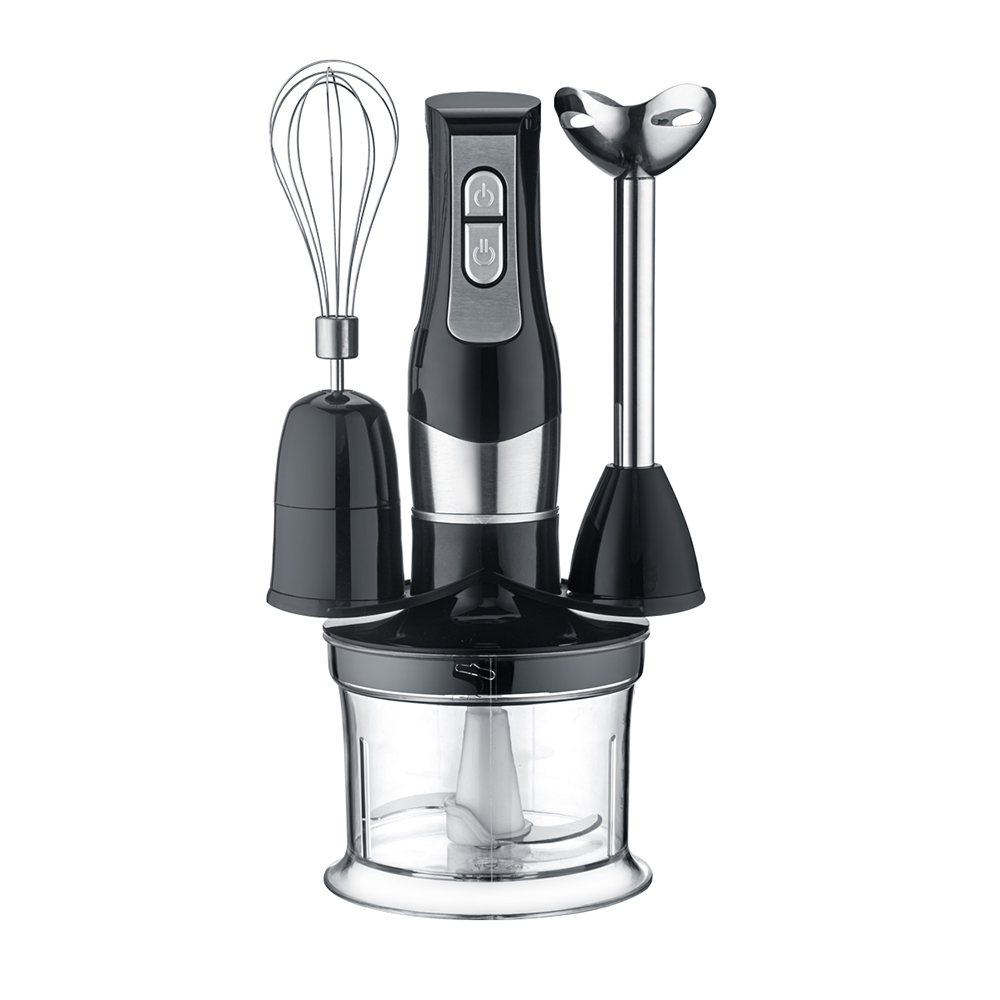
Main Blender Components And Their Functions
| Component | Main Function | Buyer Should Check |
|---|---|---|
| Motor | Provides rotation power for blending | Wattage, torque, heat rise, service life |
| Blade assembly | Cuts, crushes, and circulates ingredients | Stainless steel quality and blade angle |
| Jar | Holds ingredients during operation | Capacity, material, thickness, sealing |
| Lid | Prevents splashing during blending | Fit, lock structure, food-contact material |
| Sealing ring | Reduces leakage around the blade base | Aging resistance and assembly fit |
| Coupling part | Transfers motor power to the blade | Wear resistance and alignment |
| Control switch | Adjusts speed and pulse function | Button life and circuit stability |
| Housing | Protects inner components | Material strength and vibration control |
Why Each Component Affects Performance
A strong motor helps the blender handle frozen fruit, ice, nuts, and thick mixtures, but the blade and jar design decide whether ingredients circulate smoothly. A good blade cuts ingredients, while a well-designed jar guides them back toward the blade area. If the coupling is loose or the sealing ring is weak, the blender may become noisy, leak, or lose power transmission during repeated use.
KANGJIA’s high-speed blender product information lists five blending speed levels with a 500W motor and stainless steel blade structure. Its professional blender platform also includes a 1,500W motor and 1.5L glass jug for stronger blending tasks. These product differences show why internal components should match the final application.
Factory Control Makes Component Quality More Stable
For OEM/ODM projects, buyers should not only compare exterior design. Internal component quality affects noise, durability, safety, blending texture, and after-sales risk. KANGJIA has its own injection shop, hardware shop, assembly shop, motor shop, R&D department, and testing room, which helps control plastic parts, metal parts, motor matching, assembly accuracy, and final appliance testing.
Professional Advice Before Ordering
Before confirming a blender project, buyers should review motor power, jar material, blade structure, sealing design, speed control, voltage, plug type, packaging format, and certification needs. For bulk order planning, it is also useful to test real ingredients, noise level, heat rise, leakage, and long-running stability.
Share your target market, appliance position, and technical requirements with KANGJIA. Our team can recommend a suiTable Blender component solution for stable production and long-term supply.