




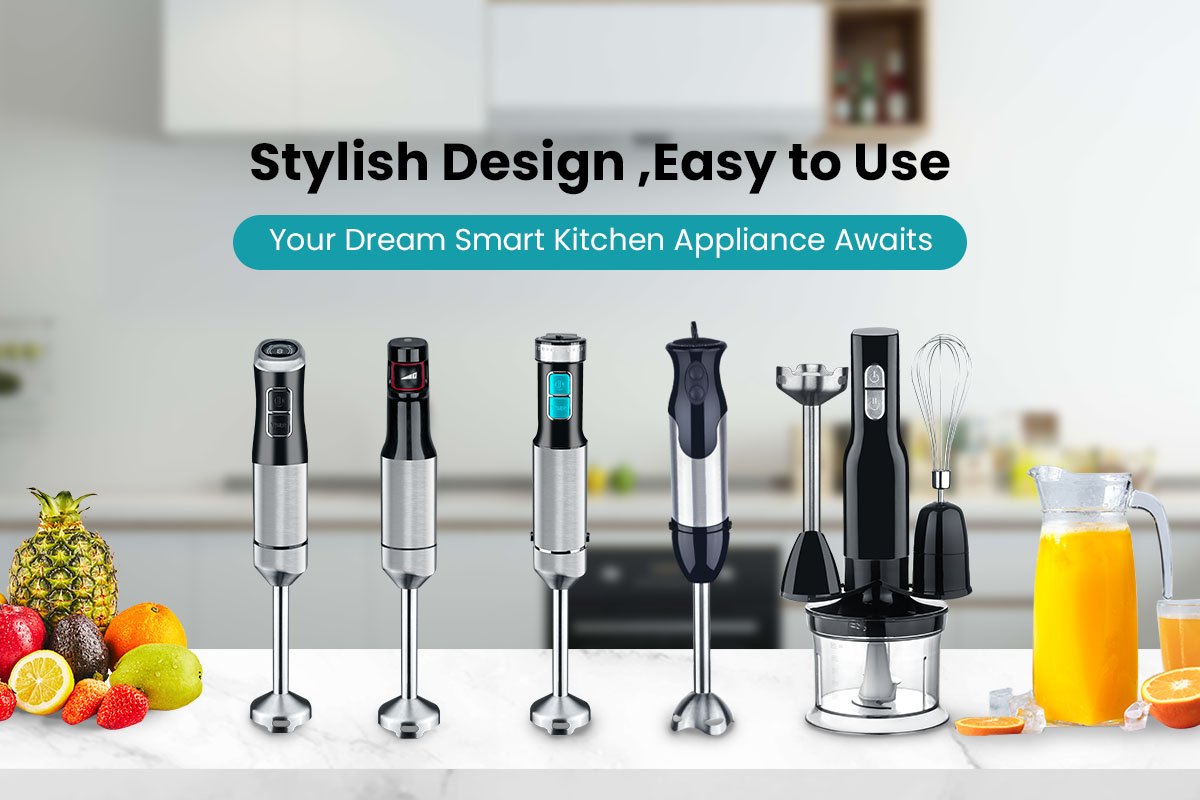
What Technologies Improve Blender Performance?
Performance Comes From System Matching
blender performance is improved by matching motor power, blade structure, jar design, speed control, heat management, and safety testing. A powerful motor alone is not enough. If the blade angle, jar circulation, sealing structure, or cooling design is weak, the blender may still struggle with frozen fruit, ice, nuts, or thick mixtures.
KANGJIA’s High-Speed Blender uses a 500W motor, stainless steel blade structure, stainless steel housing, and five blending speed levels. This type of platform is suitable for smoothies, soups, sauces, cocktails, and daily kitchen blending where stable speed control and durable materials are important.
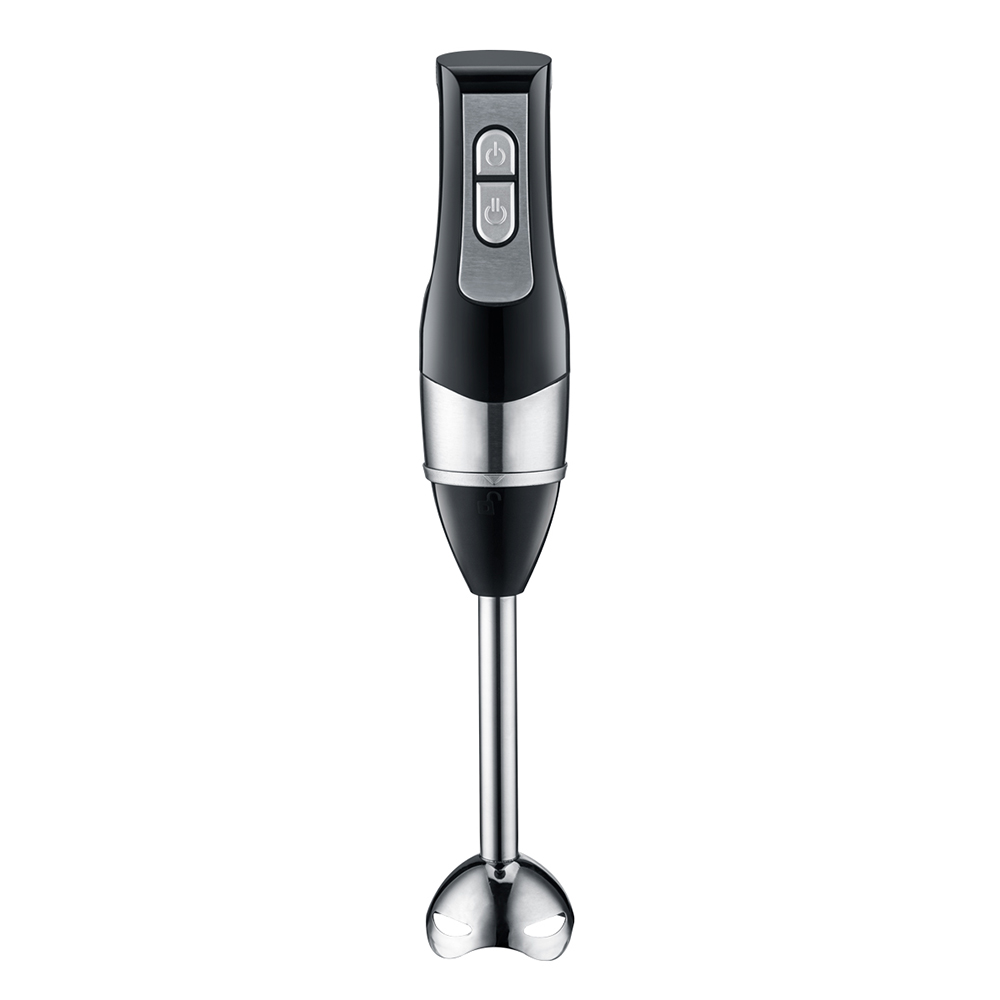
Key Technologies That Improve Blender Performance
| Technology | How It Improves Performance | Buyer Should Check |
|---|---|---|
| Motor power matching | Supports stable blade rotation under load | Power range, torque, heat rise |
| Stainless steel blades | Improve cutting, crushing, and wear resistance | Blade angle, blade thickness, material |
| Jar circulation design | Helps ingredients move back to the blade area | Jar shape, capacity, vortex effect |
| Multiple speed control | Matches soft and hard ingredients | Speed levels and pulse function |
| Cooling structure | Protects the motor during repeated use | Airflow and working interval |
| Sealing design | Reduces leakage during blending | Gasket, blade base, lid fit |
| Testing system | Verifies real working stability | Load test, noise test, safety test |
Why Speed Control And Blade Design Matter
Different recipes need different blending force. Soft fruit can be processed with moderate speed, while ice, frozen ingredients, and thick sauces need stronger torque and short pulse power. KANGJIA’s Food Processor platform lists 300–500W power, 4-speed plus pulse control, a 1.5L jar, stainless steel cross blade for blending, and stainless steel flat blade for grinding, showing how blade type and speed control can expand product functions.
For higher-performance product positioning, motor output also becomes more important. KANGJIA’s 2-In-1 Multi-Function Professional Blender uses a 1,500W motor and 1.5L glass jug, supporting stronger blending tasks such as smoothies, cocktails, soups, baby food, ice cream-style drinks, and soft food mashing.
Factory Testing Makes Technology More Reliable
Good blender technology must be tested before mass production. Buyers should review motor stability, load performance, noise level, vibration, heat control, jar sealing, blade durability, voltage, plug type, packaging protection, and certification needs.
KANGJIA Electrical Appliances Co., Ltd. was established in 2017 in Jiangmen, Guangdong, and integrates development, production, and sales. The company has its own injection shop, hardware shop, assembly shop, motor shop, R&D department, and testing room, which helps control product structure and performance from parts to finished appliances.
Professional Advice Before Ordering
Before choosing blender models, buyers should define target recipes, jar capacity, motor power, blade structure, speed control, safety requirements, packaging format, and market price level. For OEM/ODM projects, our team can recommend a suiTable Blender platform according to product positioning and bulk order needs.
Share your target market and technical requirements with KANGJIA. We can help prepare a practical blender solution for stable appliance production and long-term supply.