




How Long Does OEM Blender Production Usually Take
The production time of an OEM blender depends on many factors, including product design, customization requirements, material preparation, certification needs, and factory production capacity. A standard blender project may move faster, while a fully customized product with new structures and packaging usually requires more development time.
For a professional blender manufacturer, production time is not only about assembly speed. It involves engineering evaluation, component preparation, quality inspection, and export compliance management. KANGJIA focuses on small home appliance manufacturing with integrated capabilities covering product development, injection molding, hardware processing, motor production, assembly, and testing, helping customers achieve stable OEM and ODM production. (KANGJIA)
Manufacturer vs Trader: Why Production Time Can Be Different
The production timeline depends greatly on whether you work directly with a manufacturer or through a trading company.
A direct kitchen appliance manufacturer controls more production stages, including:
Product engineering
Component sourcing
Manufacturing scheduling
Quality inspection
Packaging preparation
A trading company usually needs additional communication between different suppliers, which may increase response time when dealing with product modifications, quality issues, or technical requirements.
For OEM blender projects, direct factory cooperation allows engineers and production teams to communicate faster, reducing unnecessary delays during development.
Manufacturing Process Overview Of OEM Blender Production
A complete OEM blender production process includes several important stages. Each stage affects the final delivery time.
| Production Stage | Typical Time Influence | Main Activities |
|---|---|---|
| Product Review | Initial planning stage | Confirm specifications and requirements |
| Engineering Development | Depends on customization level | Structure and function evaluation |
| Prototype Production | Sample preparation | Create and test samples |
| Material Preparation | Component availability | Prepare motors, plastics, hardware, and electronics |
| Mass Production | Order quantity dependent | Assembly and production control |
| Quality Testing | Before shipment | Performance and safety inspection |
A standard product using existing molds usually requires less time because the factory already has production experience. A customized product may require additional time for mold development, prototype testing, and certification preparation.
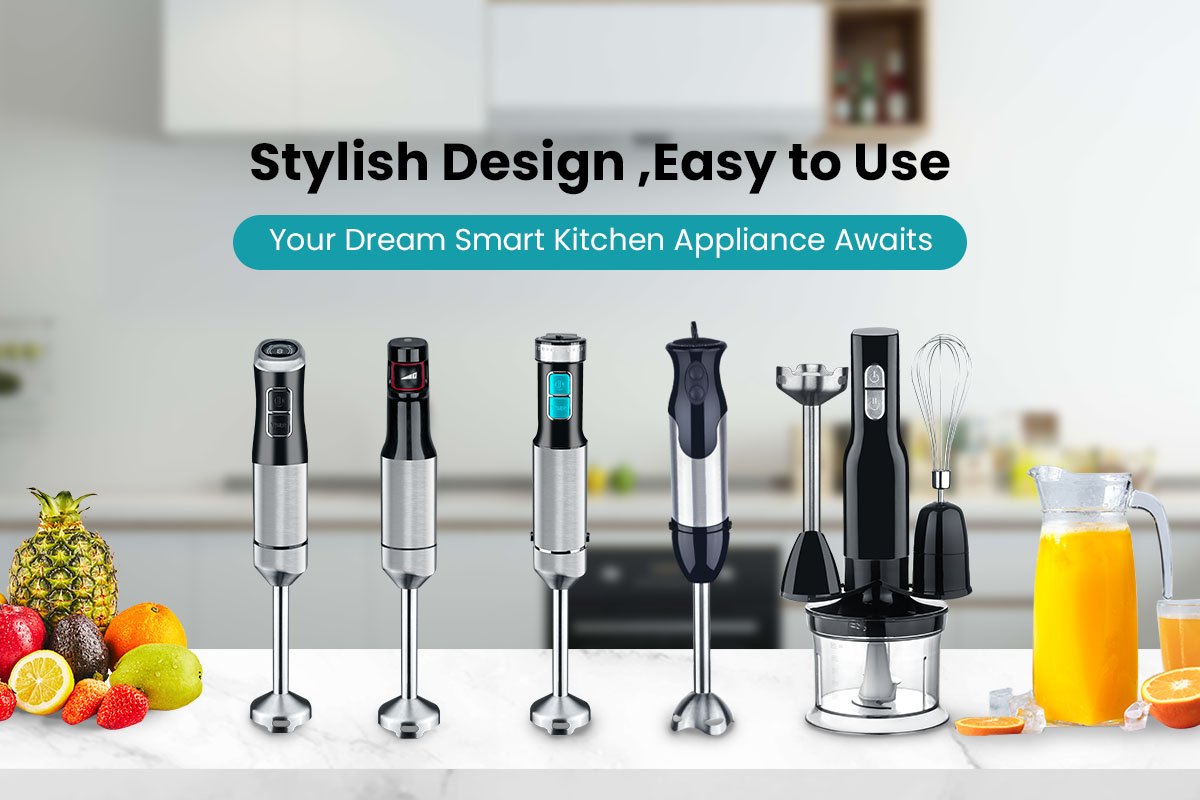
KANGJIA provides various blender solutions, including Hand Blenders, Table Blenders, Nutrition Blenders, and Food Processors, with different product structures and configurations to support different project requirements. (KANGJIA)
OEM And ODM Process Timeline Factors
The OEM and ODM process directly influences production schedules.
Standard OEM Production
For existing models, the process mainly includes:
Confirming specifications
Adjusting packaging
Preparing materials
Mass production
Final inspection
This type of project usually has a shorter production cycle because the product structure and manufacturing process are already established.
Customized ODM Development
A customized OEM blender manufacturer needs more time for:
Product design
Structural optimization
Mold development
Sample confirmation
Performance testing
Customization may include:
Product appearance
Motor power
Speed control
Accessories
Packaging design
Early confirmation of product requirements can significantly reduce unnecessary development time.
Quality Control Checkpoints During Production
Production speed should never replace quality control. A reliable manufacturer needs inspection procedures throughout the manufacturing process.
Important quality checkpoints include:
Material Inspection
Before production begins, factories check:
Plastic material quality
Motor components
Electronic parts
Stainless steel blades
Assembly Inspection
During production, quality teams monitor:
Component installation
Electrical connections
Product structure
Appearance consistency
Final Product Testing
Before shipment, finished blenders are tested for:
Motor performance
Speed control functions
Electrical safety
Continuous operation stability
According to IEC 60335 safety requirements for household electrical appliances, manufacturers need to evaluate electrical safety and operational reliability before products enter international markets.
KANGJIA has its own R&D department and testing room, combined with production equipment and inspection procedures, to ensure products undergo strict quality checks before delivery. (KANGJIA)
Material Standards Used During Production
Material preparation is another factor that affects OEM production time.
Blender manufacturing usually involves:
| Component | Material Consideration |
|---|---|
| Motor System | Stable electrical materials and durable components |
| Blade Assembly | Stainless steel materials for durability |
| Housing | Engineering plastics with strength and insulation |
| Container | Food-contact compliant materials |
If special materials, customized colors, or specific components are required, factories need additional preparation time to ensure material availability and compliance.
A professional manufacturer plans material sourcing before mass production to avoid delays caused by component shortages.
Bulk Supply Considerations For Production Scheduling
For large-volume orders, production time depends on:
Order quantity
Component availability
Production line arrangement
Quality inspection requirements
Packaging preparation
A reliable bulk blender supplier should provide clear production planning, including:
Manufacturing schedule
Material preparation status
Quality inspection timing
Shipment preparation
Large orders usually require more coordination because every batch must maintain consistent performance and appearance.
Project Sourcing Checklist Before Starting Production
Before beginning an OEM blender project, manufacturers usually confirm:
| Project Item | Key Consideration |
|---|---|
| Product Model | Existing design or new development |
| Customization Level | Standard OEM or full ODM |
| Quantity | Production capacity planning |
| Materials | Component availability |
| Certification | Market compliance requirements |
| Packaging | Export preparation |
A complete checklist helps prevent delays caused by unclear requirements or design changes during production.
Export Market Compliance And Production Time
Export certification requirements should be considered at the beginning of the project.
Different markets may require:
CE certification
CB certification
RoHS compliance
LFGB food safety testing
REACH requirements
If certification testing is required after production, it may extend the overall timeline. Manufacturers with export experience can integrate compliance planning into product development.
KANGJIA products have passed certifications including GS, CE, CB, LFGB, ROHS, and REACH, supporting different international market requirements. (KANGJIA)
How To Improve OEM Blender Production Efficiency
A smooth production process depends on effective communication and proper planning.
The most effective ways to reduce production delays include:
Confirming product specifications early
Preparing packaging designs in advance
Selecting suitable materials
Completing sample approval quickly
Defining quality standards before mass production
A professional factory can provide better production control because engineering, manufacturing, and inspection teams work together throughout the project.
Building Reliable OEM Blender Production Through Manufacturing Expertise
OEM blender production time depends on more than factory speed. Product development, material preparation, quality control, certification requirements, and production management all influence the final delivery schedule.
As an experienced blender manufacturer, KANGJIA combines integrated production capabilities with OEM and ODM experience. Through professional engineering support, manufacturing control, and quality management, KANGJIA provides reliable kitchen appliance solutions for global markets. (KANGJIA)