




What Are The Risks Of Buying Blenders From Traders
Choosing the right supply partner is critical when developing blender products. While trading companies can provide convenient sourcing services, buying blenders through traders may create additional risks related to production transparency, quality control, customization capability, and supply stability.
For a professional blender manufacturer, controlling the complete production process is essential to maintaining product consistency. KANGJIA focuses on small home appliance manufacturing with integrated capabilities covering product development, injection molding, hardware processing, motor production, assembly, R&D, and testing. This manufacturing structure allows better control over product quality and customized production requirements.
Manufacturer vs Trader: Different Levels Of Production Control
The biggest difference between a manufacturer and a trader is direct control over production.
A trading company usually connects customers with factories, while a direct kitchen appliance manufacturer manages key manufacturing stages, including:
Product engineering
Material selection
Component sourcing
Production scheduling
Quality inspection
When purchasing through a trader, it may be more difficult to understand:
Who actually produces the product
Which materials are used
How quality is inspected
How production problems are solved
For blender products, this lack of transparency can create risks because performance depends on multiple systems working together, including the motor, circuit board, blade assembly, container, and housing structure.
A direct factory relationship allows faster technical communication and clearer production management.
Manufacturing Process Overview: Hidden Risks Without Factory Access
A professional OEM blender manufacturer should have a complete production process from design to shipment.
| Manufacturing Stage | Possible Risk When Using Traders |
|---|---|
| Product Development | Limited engineering communication |
| Material Selection | Unknown component standards |
| Assembly | Less visibility into production methods |
| Testing | Unclear inspection procedures |
| Packaging | Limited customization control |
Blender manufacturing involves many production steps. A small issue with motor performance, electrical components, or blade balance can affect the final product experience.
A direct manufacturer can identify problems during production instead of only discovering issues after shipment.
Limited OEM And ODM Capability
One major risk of working with traders is limited customization support.
Many blender projects require more than standard products. A reliable OEM blender supplier should support:
Product design adjustment
Function customization
Packaging development
Material selection
Prototype testing
However, traders may depend on existing factory models and have limited ability to modify products.
For customized blender projects, manufacturers can directly involve engineers in:
Product Development
Including:
Motor selection
Structure optimization
Circuit design
Blade configuration
Prototype Verification
Including:
Performance testing
Appearance confirmation
Safety evaluation
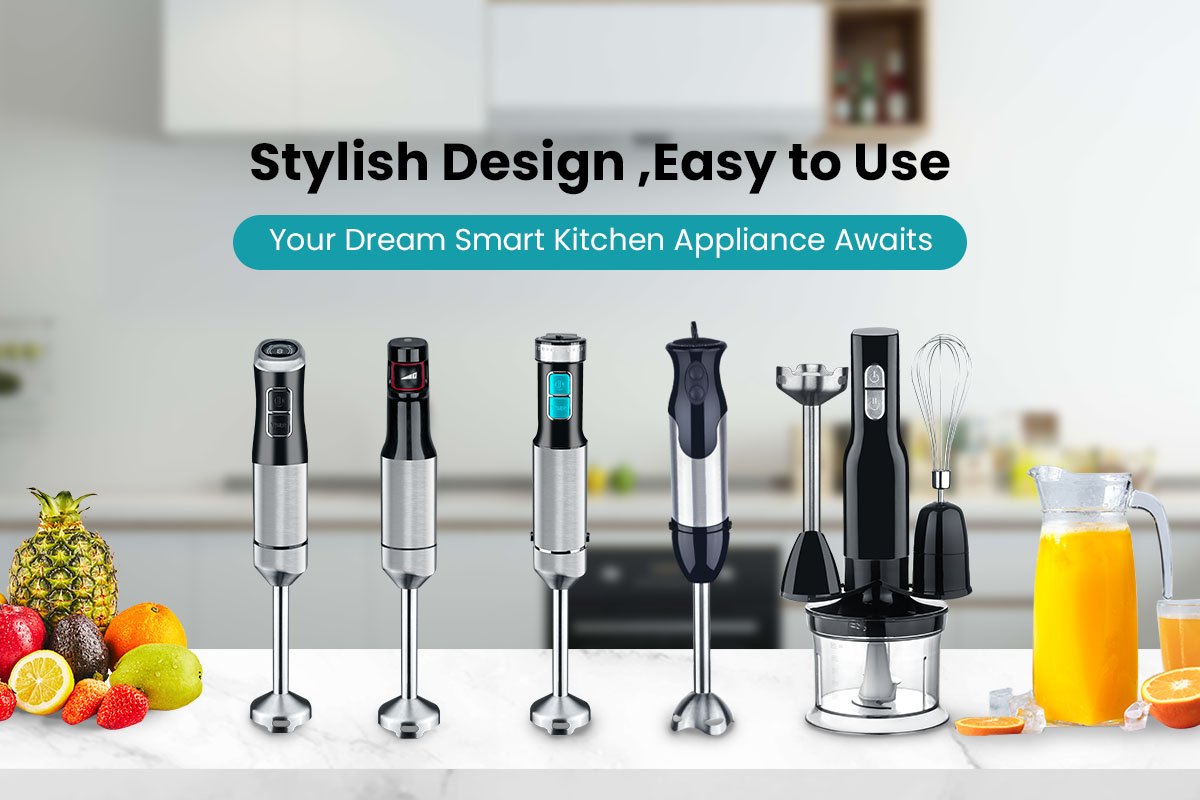
KANGJIA provides different blender solutions, including Electric Blenders, Hand Blenders, Nutrition Blenders, and other kitchen appliances, supporting customized product requirements. (kjelectrical.cn)
Quality Control Risks When Buying Through Traders
Quality control is one of the biggest concerns when purchasing from indirect suppliers.
A direct blender manufacturer can establish inspection procedures throughout production.
Important quality checkpoints include:
| Quality Stage | Factory Control |
|---|---|
| Material Inspection | Verify incoming components |
| Assembly Inspection | Monitor production accuracy |
| Motor Testing | Check performance stability |
| Functional Testing | Confirm product operation |
| Final Inspection | Verify finished products |
Important inspection items include:
Motor power
Speed control
Noise performance
Electrical safety
Continuous operation
IEC 60335 is a widely used safety standard series for household and similar electrical appliances. It covers general safety requirements and specific requirements for appliance categories, including kitchen machines.
When working with traders, there may be less direct control over whether these testing procedures are consistently applied.
Material Standards May Be Difficult To Verify
Another risk is unclear material information.
A professional manufacturer should clearly define the materials used in different components.
| Component | Important Material Factors |
|---|---|
| Blade System | Stainless steel quality and durability |
| Container | Food-contact safety requirements |
| Housing | Engineering plastic performance |
| Motor Parts | Electrical stability |
Without direct factory communication, it may be difficult to confirm whether materials meet expected standards.
For example, food-contact components require appropriate safety considerations, while electrical components need to meet market requirements.
Material selection affects:
Product lifespan
User safety
Certification approval
Market reputation
Bulk Supply Risks And Delivery Stability
For large orders, supply stability becomes more important.
A reliable bulk blender supplier should provide:
Production capacity
Material preparation ability
Delivery planning
Batch consistency
Technical support
When purchasing through traders, additional communication steps may appear between the buyer and factory, increasing risks related to:
Production delays
Specification changes
Quality feedback
Order adjustments
A direct manufacturer can communicate with production teams immediately and respond faster when problems occur.
Project Sourcing Checklist Before Selecting A Supplier
Before choosing a blender supplier, several areas should be evaluated.
| Evaluation Item | Key Questions |
|---|---|
| Factory Type | Is it a direct manufacturer? |
| Production Capability | Does it control major processes? |
| OEM Experience | Can it support customization? |
| Quality System | Are inspections available? |
| Materials | Are standards clearly defined? |
| Certification | Can products meet market requirements? |
| Supply Ability | Can it support long-term demand? |
A complete evaluation helps reduce risks before starting production.
Export Market Compliance Risks
International blender markets require compliance with different regulations.
A professional export kitchen appliance supplier should understand:
Electrical safety standards
Material requirements
Labeling requirements
Certification procedures
Common requirements may include:
CE
CB
GS
RoHS
LFGB
REACH
Certification planning should begin during product development because changes after production can increase cost and delay delivery.
KANGJIA focuses on export-oriented kitchen appliance manufacturing and supports different market requirements through quality management and certification systems.
Why Direct Manufacturer Cooperation Reduces Sourcing Risk
Buying blenders from traders may seem convenient, but it can create risks related to production transparency, customization ability, quality control, and supply management.
A direct manufacturer provides better visibility into:
How products are designed
How materials are selected
How quality is controlled
How production is managed
As an experienced blender manufacturer, KANGJIA combines integrated production capabilities with OEM and ODM experience. Through professional manufacturing processes, strict quality control, and export compliance management, KANGJIA provides reliable kitchen appliance solutions for global markets.